Roofing · Derby, Derbyshire
Chimney & Leadwork in Derby
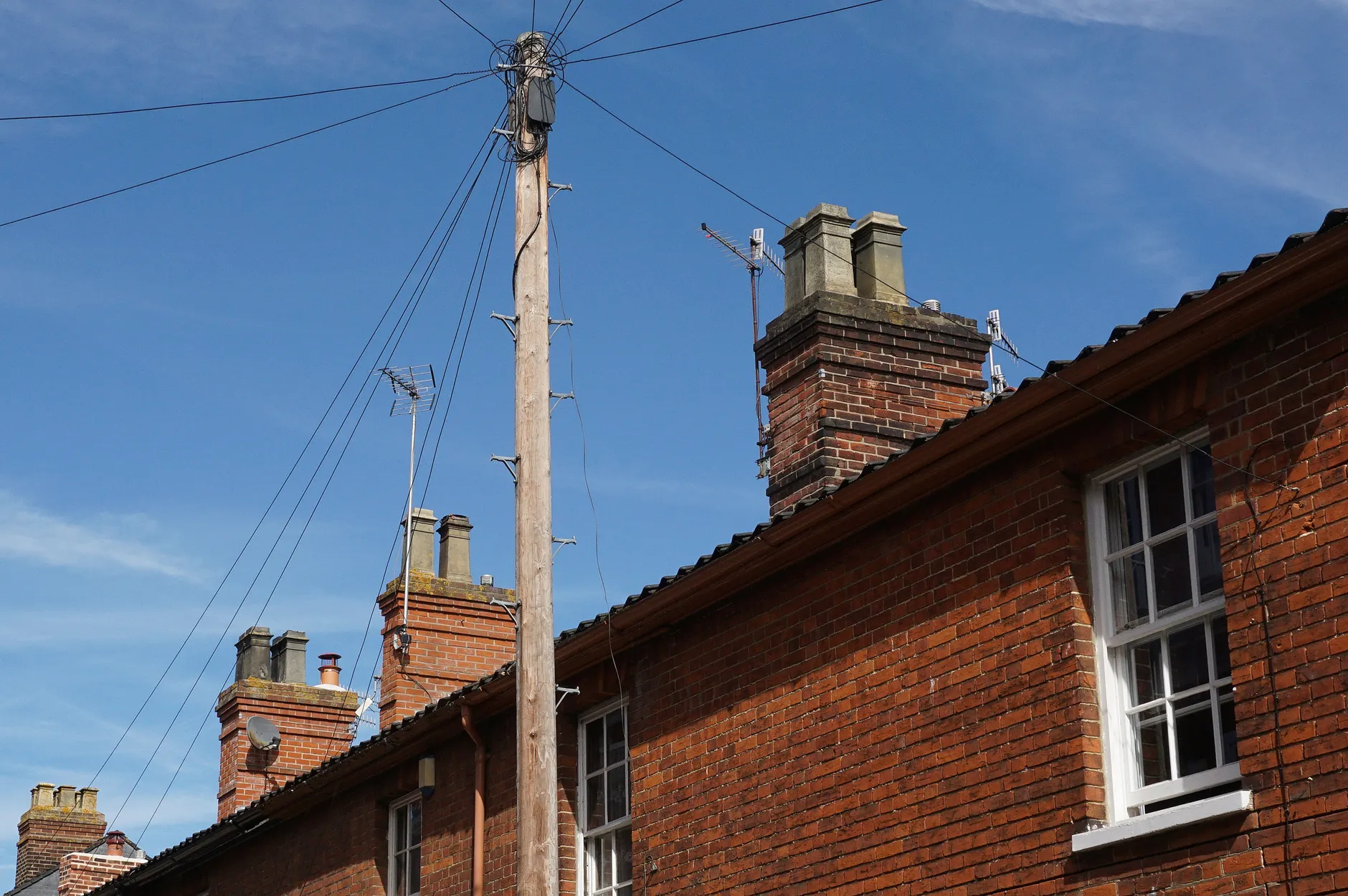
On Derby's inner terraces the chimney stack is where most roof leaks are born. The dense Victorian and Edwardian rows around Normanton were built with tall party-wall stacks straddling the boundary between houses and lead-lined valleys running between the pitches, and those two features — the stack and the lead around it — take the hardest weathering on the whole roof. A century and more of driving rain and winter freeze-thaw erodes the mortar pointing, fatigues and splits the lead flashings, soakers and back-gutters, and loosens the flaunching that holds the pots, so a stain appearing on a chimney-breast wall almost always traces back to the stack rather than the slates around it.
The chimney and leadwork we coordinate across the city starts from how a shared party-wall stack behaves and why the lead around it is so often the real fault. Every job begins with a free roof survey and a fixed written quote covering exactly what the stack and its lead need — repointing, new flashing, valley renewal or, where the brickwork has gone too far, a rebuild. All leadwork is carried out in the correct code of milled lead sheet to BS EN 12588, dressed and lapped to shed water and allow for thermal movement, rather than the mortar fillets and mastic smears that fail again within a season on Derby's exposure.
Leadwork is a genuine craft, and it is where the difference between a lasting job and a quick one shows. A proper lead flashing is stepped into the brickwork joints and dressed over the covering; soakers are interleaved where a pitched roof meets the stack; a lead valley or back-gutter is formed in bays of the right length so the metal can expand and contract without splitting. Get any of that wrong — over-long bays, the wrong code of lead, a mortar fillet in place of proper flashing — and the junction leaks again at the next hard spell. It is exactly the detail an outside firm tends to rush, and the reason so many chimney leaks come back.
Where the damage has gone beyond the lead into the brickwork itself, the answer moves from repair to rebuild. Eroded, spalled or leaning stacks — common on the older Normanton and Rose Hill terraces where freeze-thaw has broken down soft Victorian mortar — are taken down to a sound course and rebuilt in matching brick, or fully removed and made good where a stack is redundant. Ring 07700 149979 and we will get up to the stack and tell you what is genuinely failing.
What We Do
What Chimney and Leadwork Covers
Most stack calls come down to failed pointing, tired lead, a split valley, or brickwork that has gone too far to patch — and the survey settles which before any figure is fixed.

Chimney Repointing and Flaunching
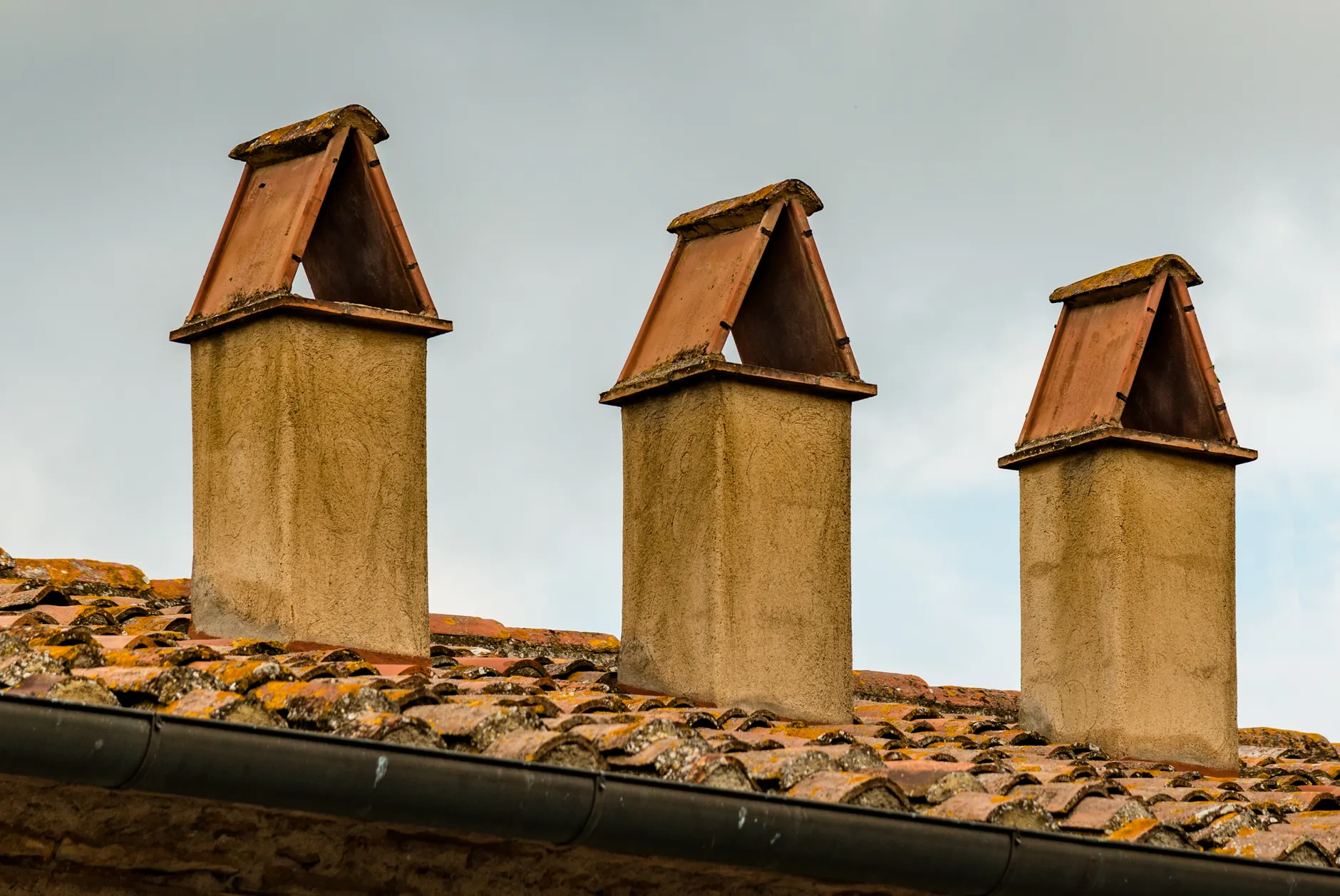
Rain and freeze-thaw break down the mortar pointing on an exposed stack faster than anywhere else on the roof, and once the joints open, water tracks into the brickwork and down into the chimney breast. Repointing rakes out the failed mortar and repoints the stack in a suitable mix, while the flaunching — the mortar bed holding the pots — is renewed where it has cracked and let the pots move. On the older Normanton terraces, where soft Victorian mortar has eroded, this is the single most common way to stop a chimney leak short of a rebuild.
Lead Flashing, Soakers and Valleys
The lead around a stack does the real weathering work, and it is usually the real fault. Step flashings are cut into the brickwork joints and dressed over the covering, soakers are interleaved where a pitched roof meets the stack, and the front apron and back-gutter carry water around and away from it — all renewed in the correct code of lead to BS EN 12588. On the terraces, the lead-lined valleys and box gutters between the rows split and fatigue with age and are re-formed in fresh lead in properly-sized bays so they can move without cracking again.
Chimney Repair and Rebuilding
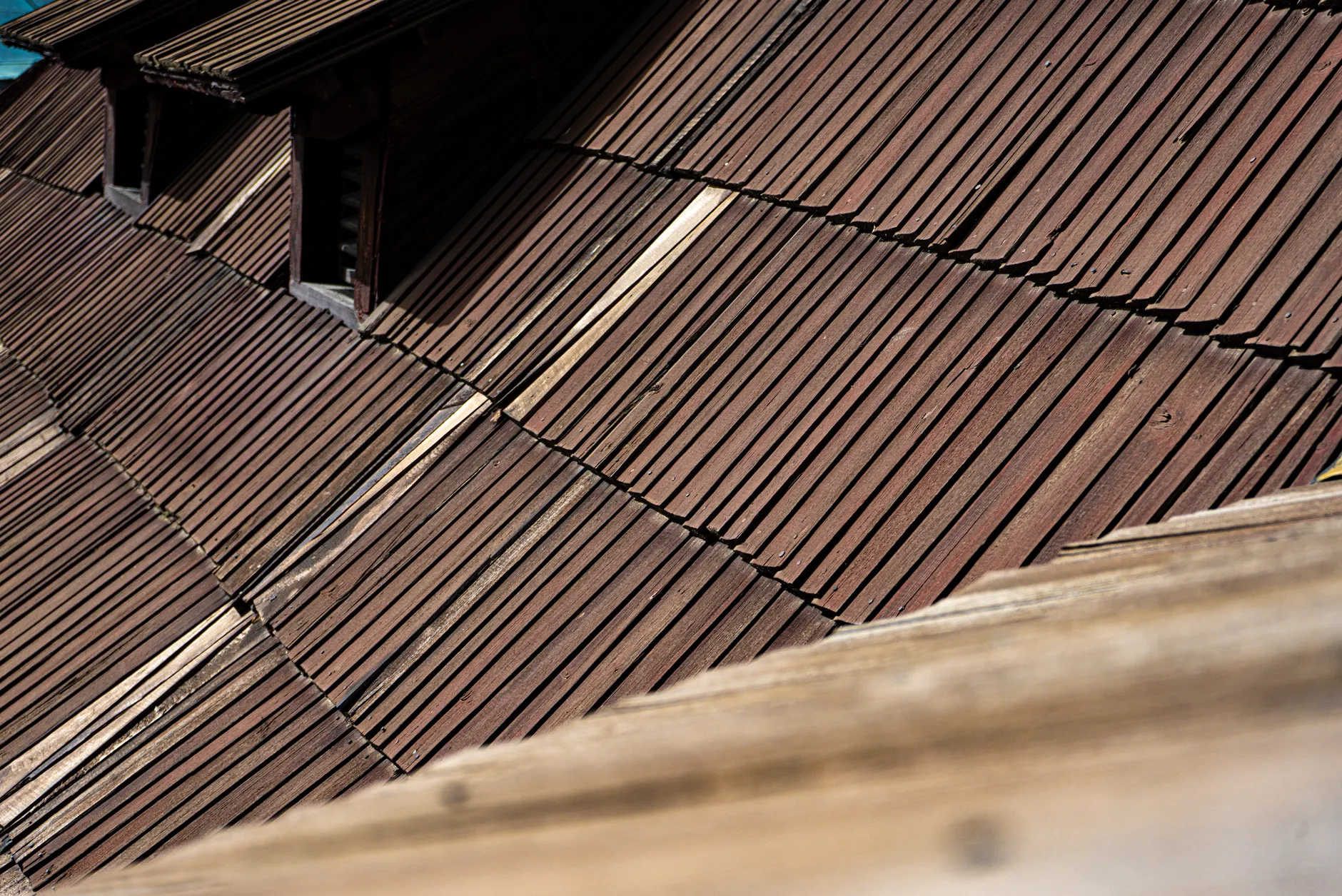
Where the brickwork itself has spalled, eroded or started to lean, repointing is no longer enough and the stack needs rebuilding. We take the stack down to a sound course and rebuild it in matching brick with new flaunching and lead, or, where a stack is redundant and no longer needed, remove it and make the roof good and weathertight over the gap. On a shared party-wall stack the work is planned around both households, since the stack and its lead serve the two houses it straddles.
The Benefits
Why the Stack Is Worth Getting Right
The chimney is the most weathered point on a Derby roof and the source of most of its leaks, so proper lead and sound brickwork here save the ceilings below.
Lead That Moves Without Splitting
Lead expands and contracts with every warm day and cold night, and the craft is in forming flashings, soakers and valleys in the right code and the right bay lengths so the metal can move without fatiguing and splitting. Work to BS EN 12588 is what keeps a lead junction weathertight for decades rather than years. An over-long bay or the wrong code of lead is precisely why a rushed flashing leaks again by the following winter.
No Mastic Where Lead Belongs
A mortar fillet or a smear of mastic across the joint between a roof and a stack is a very short-lived fix, because that junction moves with heat and cold and a rigid patch simply cracks and lets water back in. Where a flashing has failed, the lasting repair is to re-dress or renew it in lead, stepped into the brickwork, not to seal over the symptom — the difference between a repair that holds and one that reappears.
Repointing Before Rebuilding, Where It's Enough
Not every tired stack needs taking down. Where the brickwork is still sound and only the pointing and flaunching have gone, repointing stops the leak at a fraction of the cost of a rebuild, and we say so plainly at survey rather than reaching for the bigger job. A rebuild is recommended only where the brick has genuinely spalled, eroded or begun to lean, so you pay for the work the stack actually needs.
Why Us
Why Derby Calls Us for Chimney and Leadwork
The city's terrace stacks and lead valleys, surveyed whole rather than half a stack at a time.
We Understand the Party-Wall Stack
A tall stack straddling the boundary of two Normanton terraces serves both houses and weathers as one, so a leak on one side often traces to shared lead or pointing above the party wall. We survey and repair the whole stack rather than only the half above the house that called, because leaving the other side tired simply brings the next leak along soon after over the neighbour.
We Form Lead the Proper Way
Stepped flashings cut into the joints, interleaved soakers, and valleys formed in correctly-sized bays to BS EN 12588 are what separate a lead junction that lasts from one that splits within a season. It is slower and more skilled than smearing a fillet across the gap, and it is exactly the work an outside firm chasing a quick chimney job tends to cut short — and on Derby's freeze-thaw exposure that shortcut shows within the first winter.
Coordinated Across the Whole Area
From the terrace stacks of Normanton out to the larger detached roofs of Allestree, Littleover and Mickleover, the roofers we coordinate handle repointing, rebuilds and leadwork across the full service area — and stack work often ties into roof repairs and re-roofing, so see our full range of services for everything else.
Stack faults rarely sit alone — worn lead often signals wider roof repairs or a roof due for re-roofing, and the water it sheds ends up in your guttering, fascias and soffits. For a tired flat section see flat roof repair and replacement, and our full services for everything else. The same cover reaches Littleover, Mickleover and Allestree.
Frequently Asked Questions
Why do so many Derby roof leaks come from the chimney?
The chimney stack is the tallest, most exposed part of the roof, so it takes the hardest weathering from driving rain and winter freeze-thaw, and it is surrounded by lead flashings, soakers, valleys and mortar pointing that all age and fail. On Derby's inner terraces the stacks are also tall party-wall structures with lead-lined valleys running between the rows, giving many more junctions where water can find a way in. That is why a stain on a chimney breast almost always traces to the stack rather than the slates or tiles around it.
How much does chimney repointing cost?
As a general UK guide rather than a fixed figure, chimney repointing commonly falls in the low hundreds to around a thousand pounds depending on the size and height of the stack, the access needed and how much of the pointing has failed. A tall or awkward terrace stack needing full scaffold costs more than a low, accessible one. We give you a fixed written quote after the free survey, once we have seen the stack and the extent of the failed mortar, rather than a guessed figure over the phone.
What is the difference between repointing and rebuilding a chimney?
Repointing rakes out and renews the failed mortar joints on a stack whose brickwork is still sound, and it is the right, cheaper answer where only the pointing and flaunching have gone. Rebuilding is needed where the brick itself has spalled, eroded or begun to lean, at which point new mortar alone will not hold, and the stack is taken down to a sound course and rebuilt in matching brick. We recommend a rebuild only where the brickwork genuinely requires it, so you are not paying for the bigger job unnecessarily.
Why does lead flashing fail and how do you replace it?
Lead fails through age, through fatigue as it expands and contracts with heat and cold, and through poor original detailing such as over-long bays that cannot move without splitting. We replace it in the correct code of milled lead to BS EN 12588, with step flashings cut into the brickwork joints, soakers interleaved where the roof meets the stack, and the apron and back-gutter formed to carry water away. Forming it properly, in the right code and bay lengths, is what makes the junction last decades rather than years.
Can you just seal the flashing with mortar or sealant instead?
A mortar fillet or a smear of mastic across the roof-to-stack joint is a very short-lived fix on Derby's freeze-thaw exposure, because that junction moves with temperature and a rigid patch cracks and lets water straight back in. It might look sealed for a few weeks but it fails again by the next cold spell, which is why we re-dress or renew the flashing in lead rather than patching over it. Proper lead costs more than sealant but stops the leak recurring, which is the point of doing it at all.
My leak is on a shared chimney between two terraced houses — whose is it?
A party-wall stack straddling the boundary of two terraces serves and weathers as a single structure, so responsibility for its repair is usually shared between the two households, and the practical answer is to survey and repair the whole stack rather than only one side. Repairing just the half above the house that called leaves the other side tired, so the next leak follows soon after over the neighbour. We are happy to set out the scope clearly so both parties can see what the stack needs.
What are lead valleys and soakers, and why do they matter on terraces?
A lead valley is the lead-lined channel where two roof slopes meet and carry water away, and soakers are small lead pieces interleaved course by course where a pitched roof abuts a wall or stack. On Derby's inner terraces the lead-lined valleys and box gutters running between the rows are among the most common leak points, because the lead splits and fatigues with age. We re-form them in fresh lead to BS EN 12588 in correctly-sized bays so the metal can expand and contract without cracking again.
How long does chimney and leadwork take?
A lead flashing renewal on a single stack is often a half-day to a day's work, chimney repointing typically one to two days depending on size and access, and a full stack rebuild usually two to four days plus scaffold, which is booked separately. Weather affects the programme, since lead dressing and mortar work both suffer in heavy rain. We give you a realistic timescale in the written quote once we have seen the stack and worked out the access it needs.
Do I need scaffolding for chimney work?
Most chimney and leadwork needs proper scaffold access rather than ladders, because the work is at the highest point of the roof and needs a safe platform to do it correctly, and on a tall terrace stack that usually means a scaffold to the ridge. The scaffold is normally booked and priced as a separate item, and we set it out clearly in the quote so you can see what the access costs. Working off a safe platform is also what lets the leadwork be dressed properly rather than rushed from a ladder.
My chimney is no longer used — can it just be removed?
Yes — where a stack is redundant and no longer serving a working fire or flue, it can be removed down to roof level or lower and the roof made good and weathertight over the gap, which also removes a future source of leaks and repointing. Some owners prefer to keep a stack for the look of the street, particularly in a terrace or conservation setting, and that is a fair reason to repoint and re-lead it instead. We set out both options at survey so you can decide.

Trace the Leak to the Stack
Free survey and a fixed written quote. Call 07700 149979 today.
07700 149979