Roofing · Derby, Derbyshire
Slate & Tile Roofing in Derby
Derby's roofscape splits cleanly into two coverings, and the split matters to how it is fixed. The slate and tile roofing we coordinate across the city starts from knowing that a Normanton terrace calls for natural slate while a Littleover semi calls for clay or concrete tile — and that the two age, fail and get fixed in different ways. We cover new slate roofing in natural and fibre-cement, concrete and clay tile roofing, slipped and broken covering replacement, and dry ridge and dry verge systems, handling everything from the survey through to the finished, mechanically-fixed roof.
A pitched covering is more than a weather shield sitting on the rafters — it is what carries a Derby roof's whole character, whether that is the tight, uniform slate courses along a Victorian terrace row or the wider, chunkier profile of a postwar concrete interlocking tile. We offer a free, no-obligation survey to assess exactly what a roof needs, matching natural slate, fibre-cement slate, clay plain tile, or concrete interlocking tile to the house and the street, with Staffordshire blue and Rosemary-type red clay tiles the regional choice on older tiled stock and natural stone slate the vernacular toward the Peak.
The covering is laid to BS 5534, whose 2014 revision withdrew reliance on mortar bedding to resist wind uplift, so every single-lap tile and slate is mechanically fixed and ridges and verges are set with dry-fix systems rather than mortar alone. Jobs are scoped and quoted in writing before any covering is touched, most sections of strip-and-re-cover run to one to three days, and a slipped-slate or broken-tile repair is normally done inside a single visit.
When Derby homeowners choose us for slate and tile roofing, they are choosing a local partner that reads the terrace and the tiled suburb differently and fixes each to the standard that actually holds — 07700 149979 for a survey and a fixed written quote.
What We Do
Our Slate & Tile Roofing Services
New slate, clay and concrete tile coverings, slipped and broken replacements, and dry ridge and verge work — each laid to BS 5534 and matched to the house it sits on.
New Slate Roofing
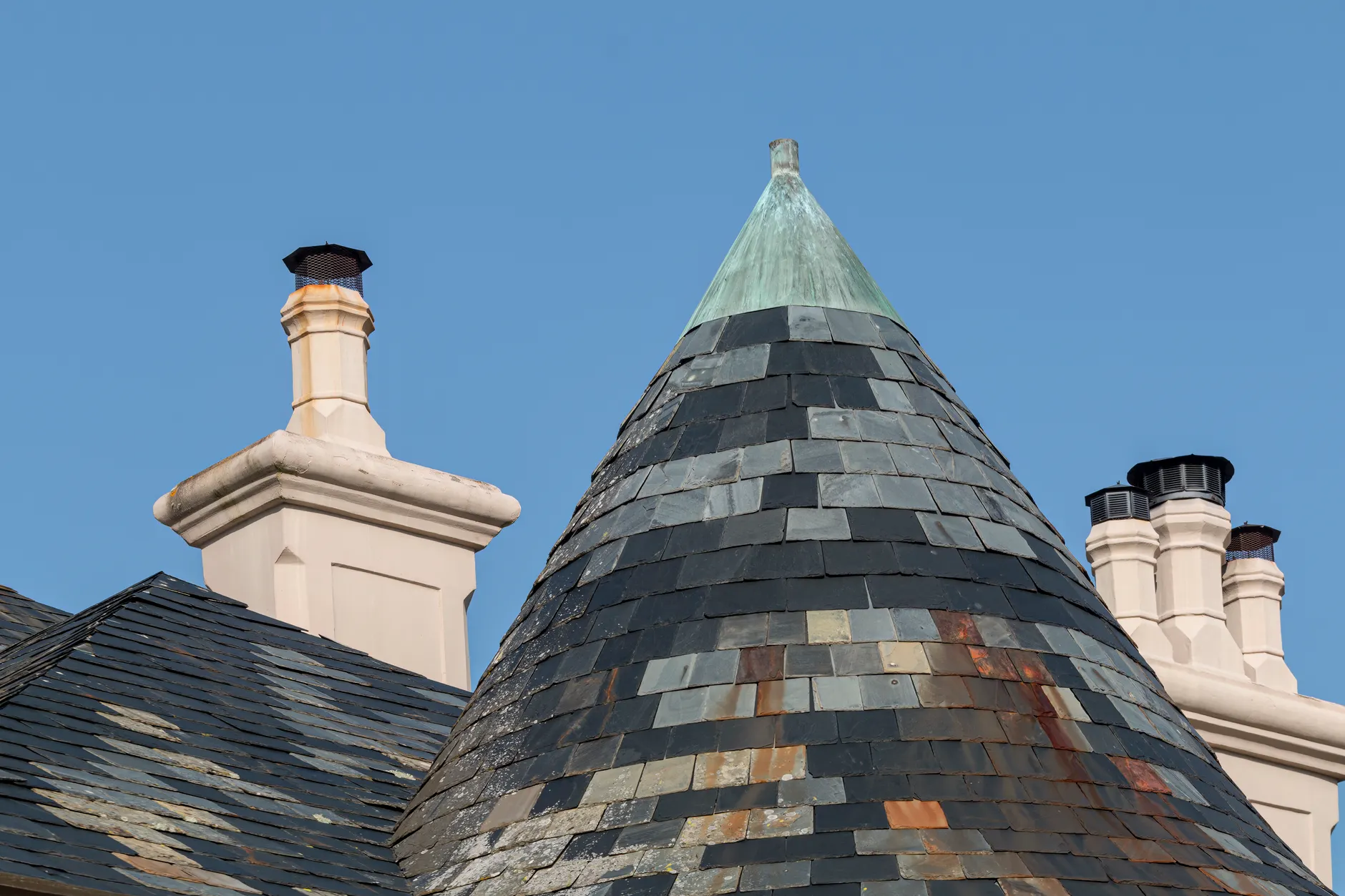
Natural slate is the covering the inner Normanton terraces and other period Derby streets are built around, and where a full section is being laid new — on an extension, a large detached re-roof, or a genuinely new roof — natural slate is set out course by course to the correct headlap and gauge, with fibre-cement slate a lighter, lower-cost alternative where the setting allows it. Both are mechanically fixed to BS 5534 rather than left to rely on their own weight and old-style nailing. Slate is unforgiving of a poor lay: get the gauge or headlap wrong and a roof that should run for decades starts letting water in within a few winters.
Matching Slate Course by Course
We set out each course to match the surrounding roofs — critical on a Normanton terrace where an inconsistent slate size or colour reads immediately from the pavement — and dress any lead valley or abutment to BS EN 12588 as the slating goes on, not as an afterthought once the covering is finished.
Concrete & Clay Tile Roofing
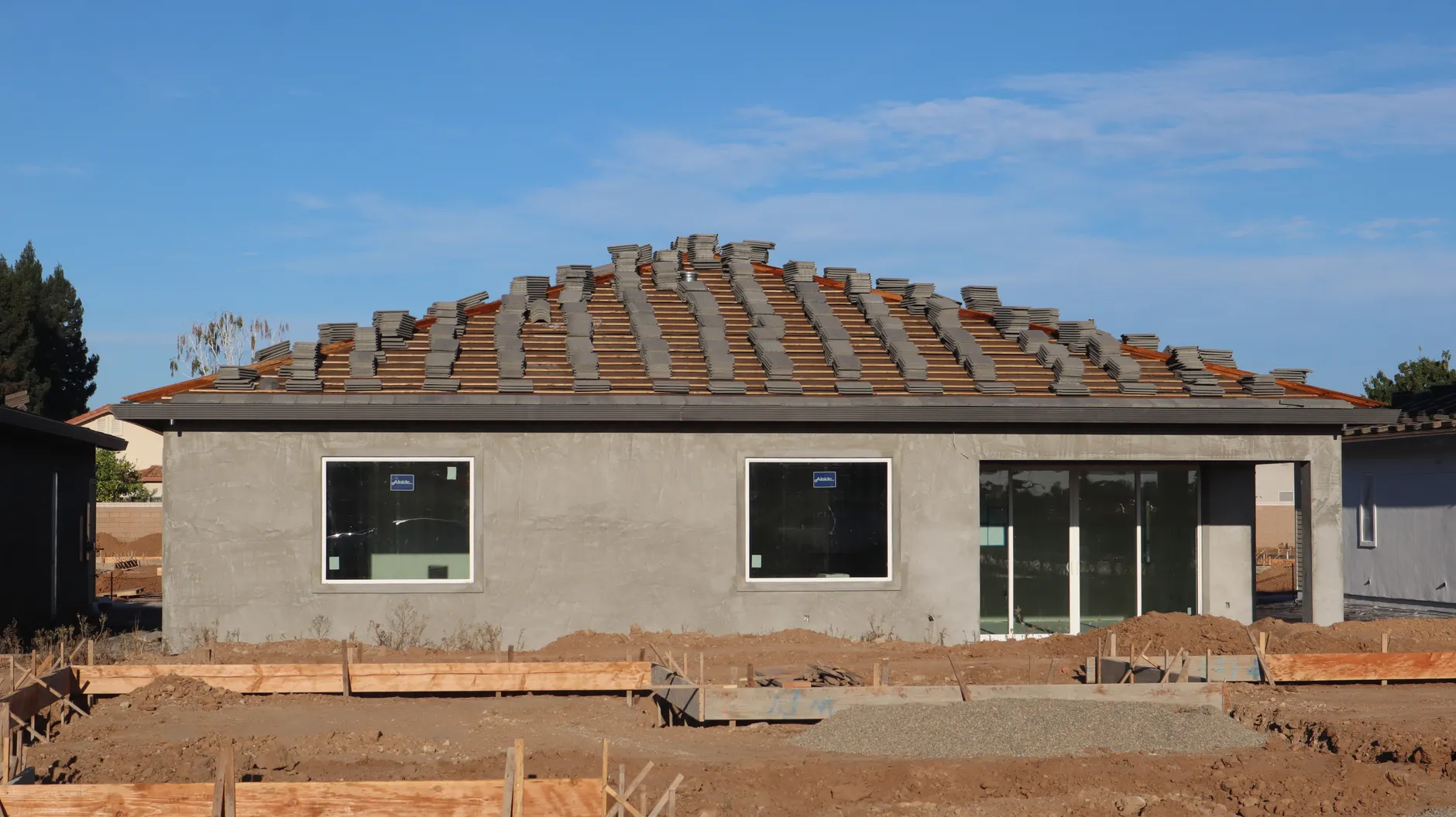
The interwar and postwar suburbs at Littleover, Mickleover and Allestree run overwhelmingly on tile — clay plain tiles from the 1930s wave of house-building and concrete interlocking tiles across the wider postwar estates. New and replacement tile work is laid in Staffordshire blue or Rosemary-type red clay to match older stock, or in concrete interlocking tile for the volume suburban semis, each set to the gauge and headlap the manufacturer specifies. Concrete and clay behave differently on the roof: concrete tiles are heavier and more forgiving of minor deck movement, clay is lighter and needs a truer batten line to sit flush.
Fixing Standards for Concrete & Clay
Both are mechanically fixed to BS 5534, and perimeter tiles along eaves, verges and abutments carry the minimum two fixings the standard requires, since those edge courses take the worst of the wind load on an exposed suburban roof.
Slipped & Broken Slate/Tile Replacement
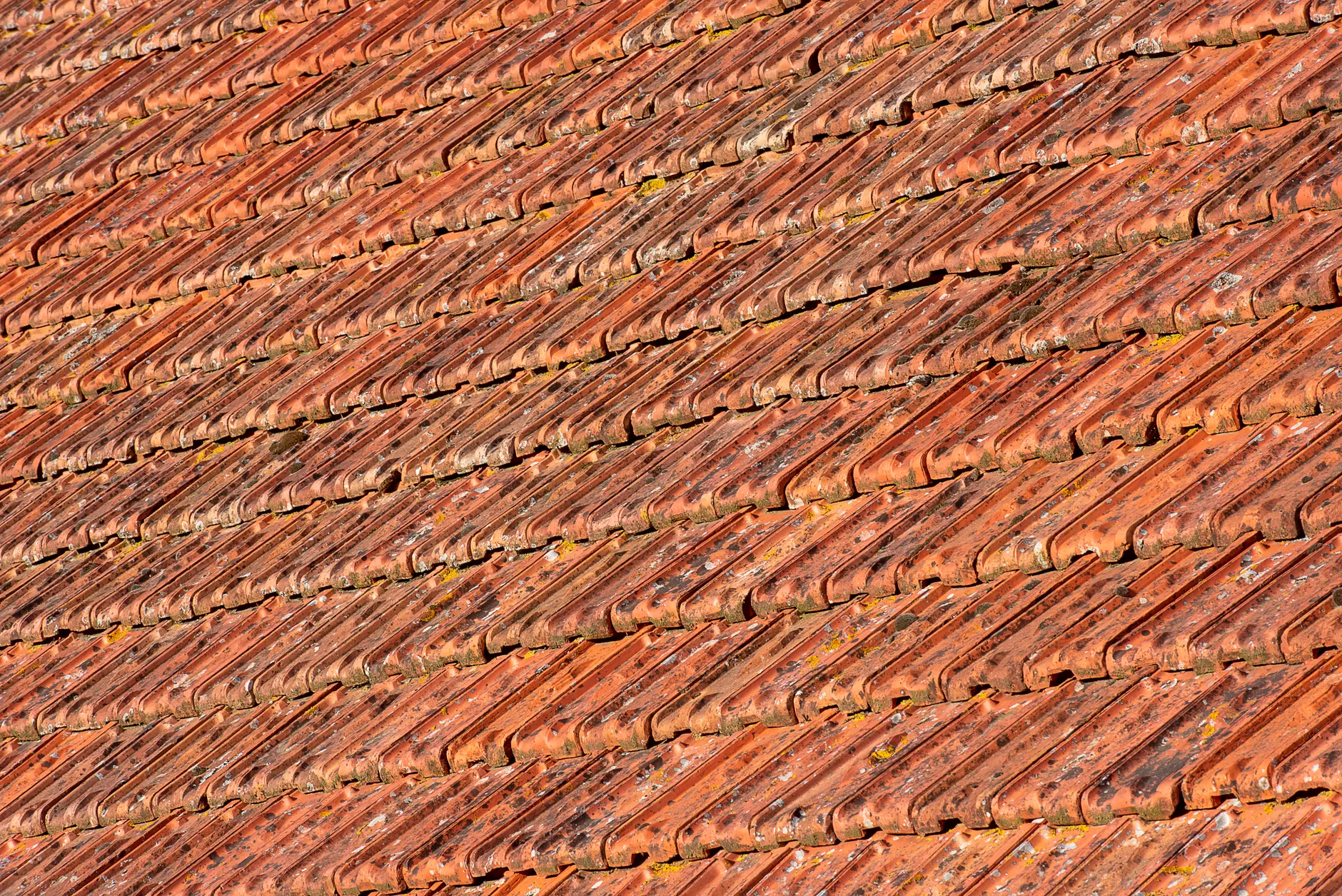
A slipped slate on a Normanton terrace or a cracked tile on a Littleover semi is the single most common call on Derby's ageing coverings, and the two fail for related but distinct reasons — corroded fixing nails on old slate, perished nibs and worn underlay on older tile. Each replacement covering is matched in size, colour and profile to what is already on the roof, then mechanically fixed rather than simply re-bedded on old mortar.
Spotting Wider Fatigue at Survey
Because the fixing nails or nibs holding one slate or tile are usually the same age as those either side of it, a single slip is often the leading edge of wider fatigue across the same batten run. Where that pattern shows at survey, we say so plainly and set out both the single replacement and the fuller re-cover, leaving the decision with you rather than quietly patching over a roof heading the same way.
The Benefits
Slate & Tile Roofing Benefits
The right covering, correctly fixed, is what keeps a Derby roof weathertight through the city's wet, freeze-thaw winters rather than shedding coverings every few years.
A Covering That Matches the Street
Matching natural slate, clay tile or concrete tile to the surrounding roofs keeps a terrace row or a suburban street reading as one piece rather than one house standing out with the wrong colour or profile. That matters most on Normanton's slate terraces and the older cores at Mickleover and Allestree, where an obviously mismatched covering is the first thing a neighbour notices.
Fixed to Resist Derby's Wind and Wet
Mechanical fixing to BS 5534 means every slate and tile, and every ridge and verge, is held by a clip or nail rather than resting on mortar that a freeze-thaw winter will eventually crack. On Derby's exposed suburban roofs at Littleover, Mickleover and Allestree that is what stops a ridge line lifting whole in a spell of hard weather, rather than losing it piece by piece each winter.
Fewer Repeat Call-Outs
A covering laid or replaced correctly the first time — right gauge, right headlap, right fixing — does not need revisiting every season the way a re-bedded slate or a loosely nailed tile does. Checking the surrounding courses when one slate or tile has slipped, rather than fixing only what fell, is what keeps the next call-out from arriving a few months later.
Why Us
Why Derby Chooses Us for Slate & Tile
Reading the difference between a slate terrace and a tiled suburb, and fixing each to the standard that holds.
We Know Both Coverings, Not Just One
Normanton's slate terraces and the tiled suburbs at Littleover, Mickleover and Allestree fail differently and are fixed differently, and treating a slate roof like a tile job — or the reverse — is how repairs go wrong. We set out the right gauge, fixing and covering for the roof in front of us, not a one-size approach carried over from the last job.
We Match the Conservation Streets
Street-facing roofs inside Derby's conservation areas — Friar Gate, Strutt's Park and the former village cores at Mickleover and Allestree among the 16 — are expected to keep like-for-like natural slate or clay tile rather than switch to modern concrete. We source coverings that match in size, colour and profile and flag any likely consent issue at survey before the job is scoped.
A Fixed Quote Before a Slate Is Lifted
Every job starts with a free survey and a written, fixed quote covering the covering, the fixings and any lead detail, so what you are quoted is what the roof turns out to need. From the inner terraces out to Littleover, Mickleover and Allestree, see our full range of roofing services for everything a slate or tile roof might also need, from chimney and leadwork to a full re-roof.
A slate or tile roof rarely stands alone — worn lead at a valley or stack ties in chimney and leadwork, and the eaves detail meets guttering, fascias and soffits. Where the whole roof is past patching, see roof replacement and re-roofing, or for an isolated fault, roof repairs; our full services covers everything else. The same cover reaches Littleover, Mickleover and Allestree.
Frequently Asked Questions
What is the difference between slate and tile roofing, and does it matter which my house has?
Slate is a thin natural (or fibre-cement) stone laid in tight, uniform courses, common on Derby's inner Victorian and Edwardian terraces such as Normanton; tile is a thicker clay or concrete unit laid to a wider gauge, dominant across the interwar and postwar suburbs at Littleover, Mickleover and Allestree. The two fail differently — corroded fixing nails on ageing slate versus perished nibs and underlay on older tile — and are fixed with different gauge and headlap rules, so knowing which covering a roof has changes both the diagnosis and the repair. It also decides the material we order, since a slate offcut will not sit on a tile gauge and a concrete tile has no place on a protected slate terrace.
How much does new slate or tile roofing cost in Derby?
A full re-cover in slate or tile typically runs £120-£275 per square metre supply and fit, with the figure driven by roof size, pitch, access and whether natural slate, fibre-cement slate, clay tile or concrete tile is specified. A minor slipped-slate or broken-tile repair is usually £150-£500, reflecting a single visit rather than a whole-roof job. We give you a precise, written figure after a free survey rather than a phone estimate, since access and the exact covering both move the price.
Why do all my tiles or slates now need mechanical fixing instead of mortar?
The 2014 revision of BS 5534, in force from 2015, withdrew reliance on mortar bedding to resist wind uplift, so every single-lap tile and slate must now be mechanically fixed and perimeter tiles need a minimum of two fixings. That is why modern ridges, hips and verges are dry-fixed with mechanical clip systems rather than bedded in mortar. On Derby's exposed suburban roofs at Littleover, Mickleover and Allestree, a mortar-only ridge is exactly what a hard spell of wind lifts first, so fixing to the current standard is what keeps the covering in place.
What are dry ridge and dry verge systems, and why would I want them?
A dry ridge or dry verge system clips the ridge tiles or verge units mechanically to a fixed batten rather than bedding them in wet mortar, which is the fixing method BS 5534 has required since its 2014 revision. Mortar bedding cracks and drops out as it ages, particularly through Derby's freeze-thaw winters, and a dry-fixed ridge or verge does not rely on that bond to stay put. It is now the standard, current-practice way to finish a ridge or verge line on any new or replaced covering.
One slate has slipped on my Normanton terrace — is that usually a one-off?
Not typically, because the fixing nails holding one slate on an ageing terrace roof are the same age as those holding its neighbours along the same batten, so when one corrodes through the others are wearing at a similar rate. That is why we check the surrounding courses when re-fixing a single slipped slate rather than treating it in isolation. If the survey shows wider fatigue, we say so and set out both the single repair and a fuller re-cover, and the choice is yours.
Can you match natural slate or clay tile on a roof in one of Derby's conservation areas?
Yes — street-facing roofs inside conservation areas such as Friar Gate, Strutt's Park and the former village centres of Mickleover and Allestree are expected to keep like-for-like natural slate or clay tile rather than switch to modern concrete. We source Staffordshire blue or Rosemary-type red clay tiles and matching slate in the right size, colour and profile, and can flag whether a given street is likely to be controlled during the free survey, before any material is ordered. Matching the covering this way is what keeps a conservation-street repair from reading as a patch from the pavement.
How long does a slate or tile section take to lay?
A minor slipped-slate or broken-tile repair on an accessible roof normally takes one to three hours in a single visit. A full strip and re-cover of a section in slate or tile runs about one to three days on site, with a larger or more complex roof — several hips, valleys or dormers — taking longer, and covering work paused in heavy rain or high wind. We set out a realistic programme in the written quote rather than an optimistic one.
Should concrete tiles on my Littleover or Mickleover semi be replaced with the same material?
Usually yes on an unconstrained postwar or interwar semi, since concrete interlocking tile is the roof's original covering and matching it keeps the roof consistent and the cost sensible. Where the property sits inside an older or conservation-sensitive core, such as Mickleover's former village centre, clay plain tile or slate may be the expected covering instead. We confirm which applies for your specific street at the free survey rather than assuming either way.
Is fibre-cement slate as good as natural slate?
Fibre-cement slate is a lighter, lower-cost alternative to natural slate that is mechanically fixed the same way, to the same BS 5534 requirement, and can be a sound choice where a matching appearance is wanted without natural slate's weight or cost. It is not usually the specified covering on a listed building or a strict conservation-area street-facing elevation, where like-for-like natural slate is generally expected instead. We set out the honest trade-off between the two at survey based on the roof and the street, not a default push toward either.
Do you replace the lead valleys and flashings when you re-cover in slate or tile?
Yes — where a valley, abutment or chimney flashing is being worked on alongside a slate or tile re-cover, worn lead is renewed to BS EN 12588 rather than refitted tired around a fresh covering. Old lead that has split or thinned is typically the first thing to leak on an otherwise new roof, so dealing with it while the covering is open is the sound approach. The written quote sets out any leadwork alongside the slating or tiling so the full scope is clear before work starts.
Get Your Slate or Tile Roof Assessed
Free survey and a fixed written quote. Call 07700 149979 today.
07700 149979