
Roofing · Derby, Derbyshire
Roof Replacement & Re-Roofing in Derby
There comes a point on an old Derby roof where refixing one more slipped slate stops being worth it. When the fixing nails have corroded across the whole roof — the trade calls it nail sickness — slates or tiles start letting go faster than anyone can chase them, the underlay felt beneath has perished to the touch, and the sensible money moves from repair to a full strip and re-cover. On the inner Normanton terraces that means aged natural slate; on the interwar and postwar semis and detached homes at Littleover, Mickleover and Allestree it means clay plain tiles and 1930s-to-1970s concrete interlocking tiles that have reached the same tired stage together.
The roof replacement and re-roofing we coordinate in the city covers every common Derby roof type — from a two-up-two-down slate terrace to a large, complex Allestree detached roof with several hips and valleys. Every re-roof starts with a free roof survey and a fixed written quote that sets out the full scope: strip, new underlay and battens, the covering itself, and all the ridge, verge, valley and flashing details. The finished roof is laid to BS 5534, whose 2014 revision withdrew reliance on mortar bedding for wind resistance, so all single-lap tiles are mechanically fixed and ridges and verges are dry-fixed rather than held on mortar alone.
A re-roof is also the one moment to put right everything the old covering was hiding. With the roof stripped back to the rafters, the timber is inspected and any rotten battens or boards replaced, a modern breathable underlay goes on in place of the perished felt, and — because Building Regulations Approved Document L applies when you re-cover a significant area — the insulation is brought up to the required standard so the new roof performs thermally as well as it sheds water. Worn lead valleys and chimney flashings are renewed in fresh lead to BS EN 12588 at the same time, rather than refitted tired around a brand-new covering.
Derby's conservation stock shapes the material choice on a good number of re-roofs. On street-facing roofs inside the Friar Gate, Strutt's Park and Railway conservation areas, and the former village cores at Mickleover and Allestree, a re-cover is expected in like-for-like natural slate or clay tile rather than swapped for modern concrete, and toward the Peak District edge the vernacular is natural stone slate. We match the covering to what the roof and the street require — Staffordshire blue and Rosemary-type red clay tiles are the regional plain-tile coverings — and flag any likely consent issue at survey. Ring 07700 149979 to get the roof assessed properly.
What We Do
What a Derby Re-Roof Includes
A re-roof is a whole-roof job, not a bigger repair — strip, structure, underlay, covering and every junction renewed together, and the survey sets out exactly which covering the roof and the street call for.
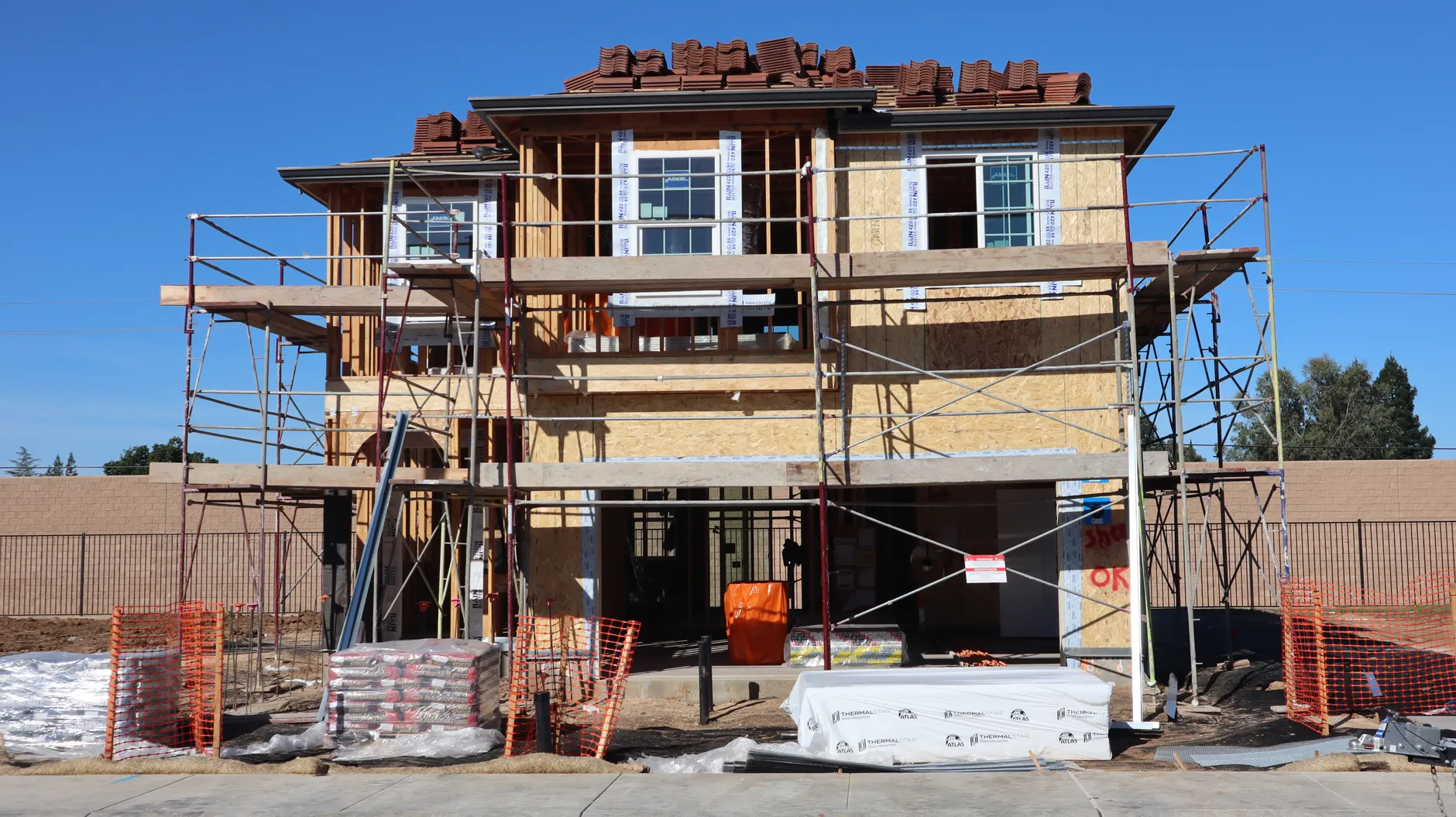
Full Strip and Re-Cover
A full re-roof strips the old covering and perished underlay back to the rafters, so the roof is rebuilt properly from the structure up rather than layered over. The timber is inspected and any rotten battens or boards replaced, a breathable underlay is laid, new treated battens are set to the correct gauge, and the covering goes on mechanically fixed to BS 5534. Doing it as a strip rather than an overlay is what lets us put right the underlay, the battens and the timber that the old roof had been hiding for decades.
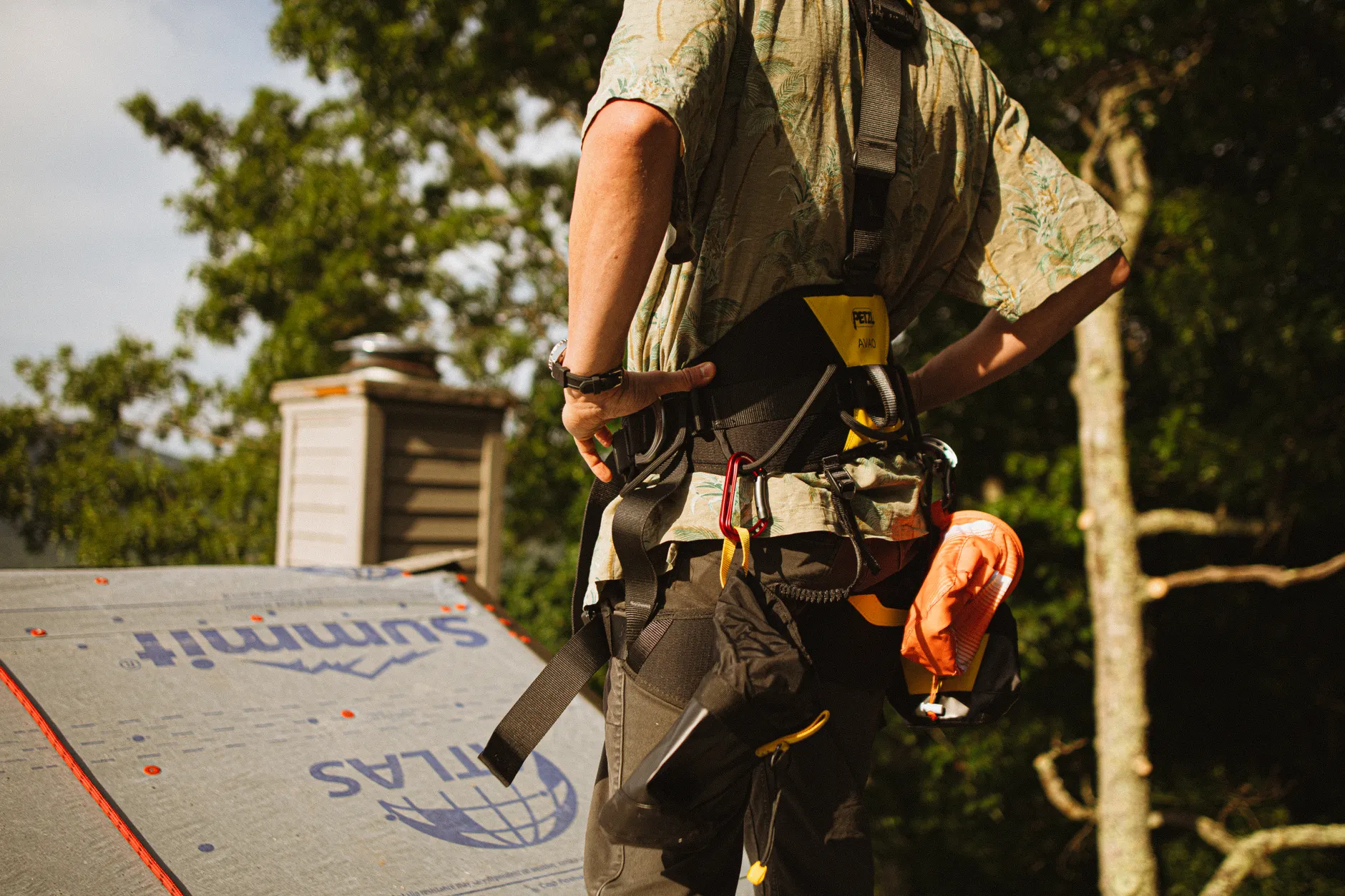
Tile and Slate Re-Roofing
The covering is chosen for the house and, where relevant, the conservation street. Concrete interlocking tiles suit the postwar suburban semis and estates; clay plain tiles in Staffordshire blue or Rosemary-type red match older tiled stock; natural slate matches the inner terraces, with reconstituted and fibre-cement slate as lighter, lower-cost alternatives where the setting allows. Ridges, hips and verges are dry-fixed with mechanical systems rather than mortar-only, and the whole covering is set to the correct headlap and gauge so it sheds Derby's steady rain as it should.
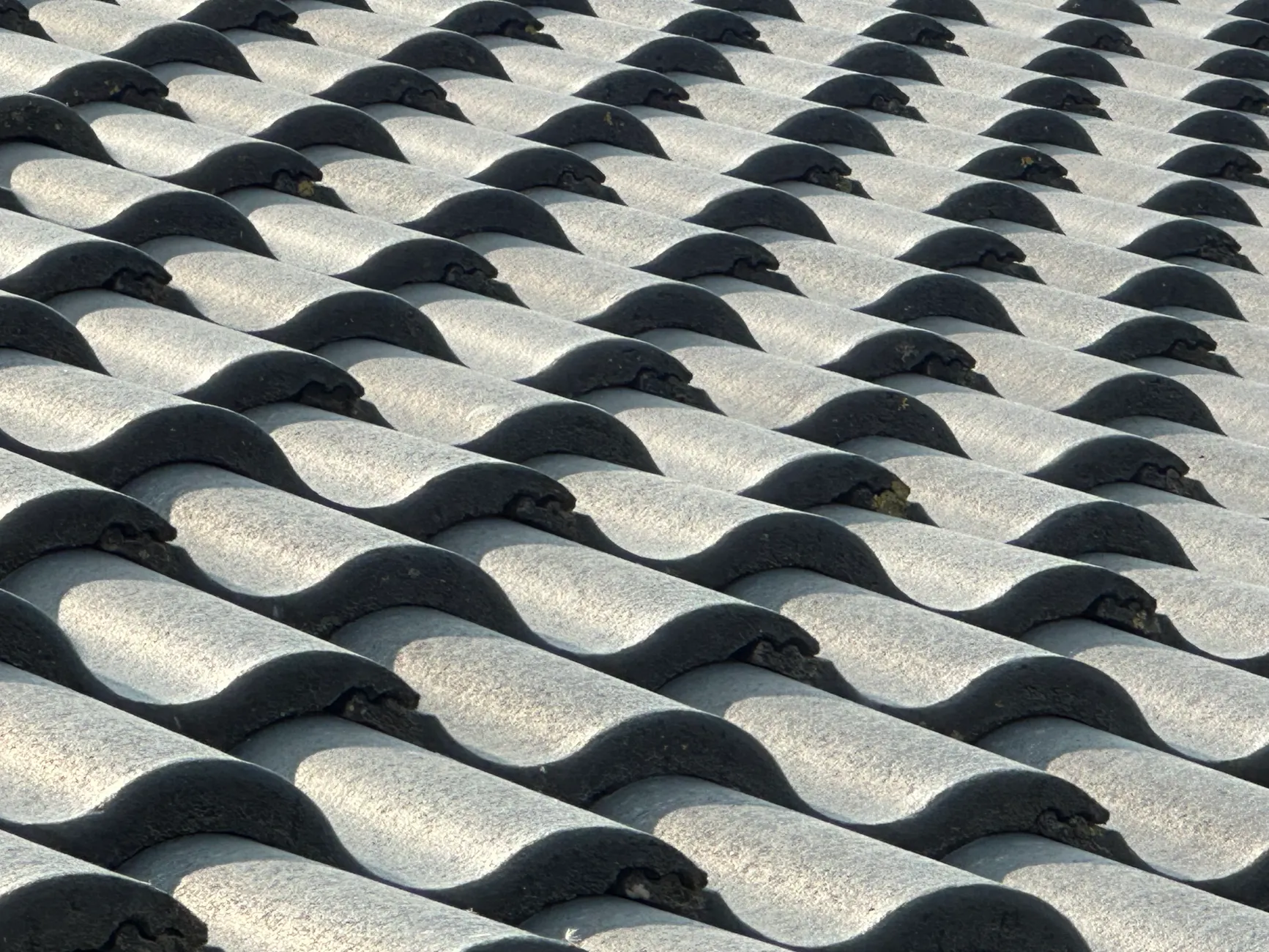
New Roofs and Conservation Matching
On a new-build extension, a loft conversion or a garage, a new roof is built from scratch to current standards — structure, underlay, covering, and the ventilation and insulation the regulations require. On a street-facing roof inside one of Derby's conservation areas, the covering is matched in like-for-like natural slate or clay tile, and toward the Peak the natural stone slate vernacular is respected. We source coverings that match the existing roof in size, colour and profile so a re-roof reads as part of the original street rather than an obvious replacement.
The Benefits
Why a Strip Beats an Overlay
Re-roofing is the one chance to put the whole roof right at once, so the value is in what gets renewed underneath the covering, not just the new tiles on top.
Everything Underneath Renewed Together
Stripping back to the rafters means the perished underlay, the tired battens and any rotten timber are all replaced while the roof is open, rather than sealed under a fresh covering to fail later. A new breathable underlay and correctly-gauged battens are what a modern covering needs to perform, and doing them now avoids paying for access to the same roof twice. An overlay might look the same from the street but leaves the old problems in place.
Fixed to the Current Standard
Every new covering is mechanically fixed to BS 5534, whose 2014 revision withdrew reliance on mortar bedding to resist wind uplift, so single-lap tiles are fixed and ridges and verges are dry-fixed rather than held on mortar alone. That matters on Derby's exposed suburban roofs where a mortar-only ridge is exactly what lets go first. A roof laid to the standard is far less likely to shed a ridge or verge in a spell of hard weather.
A Warmer Roof, Not Just a Newer One
Because Building Regulations Part L applies when a significant roof area is re-covered, the insulation is brought up to standard as part of the re-roof, so you gain a warmer, more efficient roof rather than simply a new-looking one. It is far cheaper to upgrade the insulation while the roof is open than to revisit it later, and the written quote sets out the thermal work alongside the covering.
Why Us
Why Derby Chooses Us to Re-Roof
Stripping and re-covering the city's slate terraces and tiled suburbs, with the lead and insulation put right at the same time.
We Re-Roof the Complex Detached Roof
The larger 1930s-to-1970s detached homes up the Kedleston Road end of Allestree and across Park Farm carry steeper, more complicated roofs than the terrace grid — multiple hips, valleys, gables and dormers that each need their own detailing. Re-roofing those correctly means getting every valley, hip and abutment right, not just laying tile on the main slopes, and it is exactly where a whole-roof approach earns its keep.
We Match the Conservation Coverings
On street-facing roofs in Friar Gate, Strutt's Park, the Railway area and the former village centres at Mickleover and Allestree, a re-roof is expected in matching natural slate or clay tile, with stone slate the vernacular toward the Peak. We source and lay like-for-like coverings so a re-roof sits within the street, and flag any likely consent requirement at survey before the work is scoped.
Coordinated Across the Whole Area
From the inner Normanton terraces out to Littleover, Mickleover and Allestree, the roofers we coordinate strip and re-cover roofs of every Derby type — and a re-roof ties in chimney and leadwork and guttering, fascias and soffits, so see our full range of services for everything the job touches.
A re-roof rarely stops at the covering — worn lead ties in chimney and leadwork, and the eaves detail meets guttering, fascias and soffits. If a full re-cover is more than the roof needs, see roof repairs or flat roof repair and replacement, and our full services for everything else. The same cover reaches Littleover, Mickleover and Allestree.
Frequently Asked Questions
How do I know whether my roof needs repairing or fully re-roofing?
The deciding factor is usually whether the failures are isolated or widespread. A few slipped slates or cracked tiles on an otherwise sound roof is a repair, but when the fixing nails have corroded across the whole roof, the underlay has perished and slates or tiles are letting go faster than they can be chased, repair becomes a losing battle and a strip-and-re-cover is the honest answer. We give you a straight assessment at the free survey and set out both options with figures, so the choice is yours to make.
What is nail sickness and why does it force a re-roof?
Nail sickness is the gradual rusting-through of the iron or steel nails holding each slate or tile to the batten, and it affects the whole roof at once because every nail is the same age and corroding at the same rate. Once it sets in, refixing one slipped slate does nothing for the dozens next in line, so repairs come thicker and faster until they no longer make sense. At that point a full re-cover with new fixings, battens and underlay is the sound investment rather than repeated call-outs.
How long does a re-roof take on a typical Derby house?
A straightforward re-roof on an average house usually runs around five to ten working days on site, covering the strip, new underlay and battens, the covering, and the ridge, verge and flashing details, though that figure does not include scaffold, which is booked separately. A larger or more complex roof with several hips, valleys and dormers takes longer, and weather can extend it since covering work stops in heavy rain or high wind. We give you a realistic programme in the written quote rather than an optimistic one.
Do I need building regulations approval to re-roof?
Re-covering a significant portion of a roof is notifiable work, so it falls under building control, chiefly because Building Regulations Approved Document L requires the insulation to be brought up to standard when you re-cover, and Approved Document C covers moisture resistance. In Derby that notification runs through Derby City Council as the unitary authority rather than the county. We handle the roof to those standards and set out the requirements at survey so nothing about the approval side comes as a surprise.
Why do all the tiles need mechanically fixing now instead of mortar?
The 2014 revision of BS 5534, in force from 2015, withdrew reliance on mortar bedding to resist wind uplift, so all single-lap tiles must be mechanically fixed and perimeter tiles need at least two fixings. That is why modern ridges and verges are dry-fixed with mechanical clips and systems rather than simply bedded in mortar. On Derby's exposed suburban roofs a mortar-only ridge is exactly what lifts first in a spell of strong wind, so fixing to the current standard is what keeps the covering where it belongs.
Can you match the slate or tile on a roof in a conservation area?
Yes — on street-facing roofs inside Derby's conservation areas such as Friar Gate, Strutt's Park and the Railway area, and the former village cores at Mickleover and Allestree, a re-roof is expected in matching natural slate or clay tile rather than modern concrete, with natural stone slate the vernacular toward the Peak District. We source coverings that match the existing roof in size, colour and profile so the re-roof sits within the street. We flag any likely consent requirement at survey so it is factored in before the work is scoped.
What is the difference between a re-roof and an overlay?
A re-roof strips the old covering and perished underlay back to the rafters and rebuilds the roof from the structure up, replacing underlay, battens and any rotten timber. An overlay lays a new covering over the old one, which is quicker and cheaper but leaves the tired underlay and battens in place to fail underneath. We re-roof as a full strip because it is the only way to put right what the old covering was hiding, and because an overlay adds weight and buries problems for a future owner to find.
Will you replace the underlay and battens as well as the tiles?
Yes — a proper re-roof includes new breathable underlay and new treated battens set to the correct gauge, because the covering is only as sound as what it is fixed to. The old bituminous felt underlay on an ageing roof will have perished and stopped doing its job as a secondary barrier, and reusing tired battens under a new covering is a false economy. Renewing them while the roof is stripped is the whole point of doing the job as a re-roof rather than a surface swap.
Do you replace the lead valleys and flashings during a re-roof?
Yes — a re-roof is the natural moment to renew worn lead valleys and chimney flashings in fresh lead to BS EN 12588, rather than refit tired lead around a brand-new covering. Old lead that has split, fatigued or thinned will be the first thing to leak on an otherwise new roof, so renewing it while the scaffold is up and the roof is open makes both practical and financial sense. The written quote sets out the leadwork alongside the covering so the whole scope is clear.
How long should a new roof last?
As general trade guidance rather than a sourced figure, a natural slate roof can last a very long time, clay and concrete tile roofs commonly give several decades, and the underlay and fixings beneath them set the practical service life. Because a re-roof renews the covering, the underlay, the battens and the fixings all at once and lays them to BS 5534, you get a full-length life rather than the shortened one an overlay gives. Looking after the ridges, valleys and gutters afterwards is what carries it the full distance.
Find Out If Your Roof Is Past Patching
Free survey and a fixed written quote. Call 07700 149979 today.
07700 149979