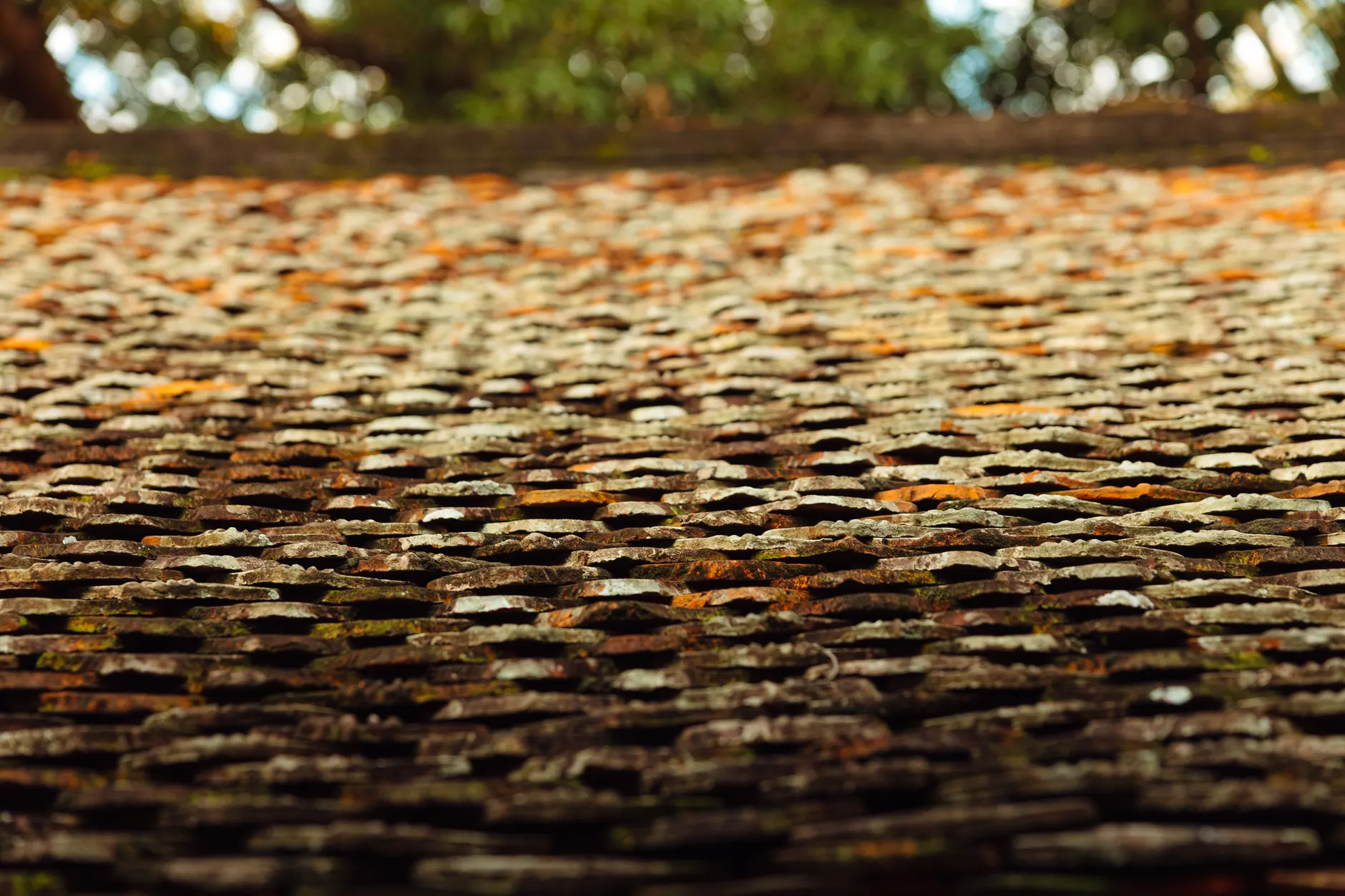
Roofing · Derby, Derbyshire
Roof Cleaning & Moss Removal in Derby
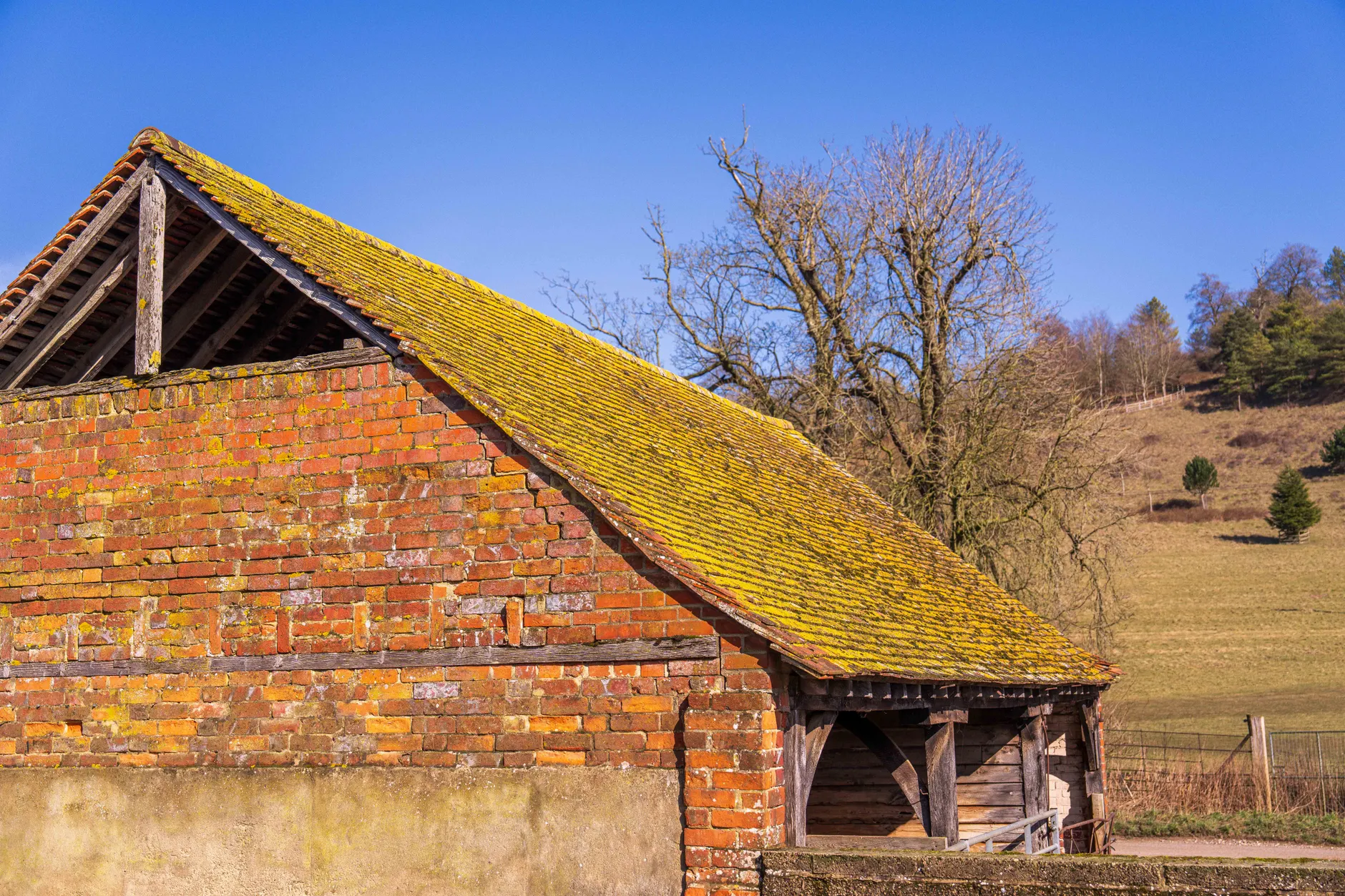
A green cushion spreading across the north-facing pitch of a Littleover semi, or a thick collar of moss choking the valley between two roof planes in Mickleover, is rarely treated as a problem until it starts feeding water back into the covering rather than shedding it. Derby's climate is the reason it takes hold at all: around 779 mm of rain a year, spread across nearly every month, keeps shaded and north-facing slopes damp for long enough that moss spores establish and spread, and the winter freeze-thaw cycle then does the rest, cracking apart whatever the moss has been holding wet.
The roof cleaning and moss removal we coordinate across Derby treats a moss-covered roof as a maintenance job with a genuine purpose, not a cosmetic tidy-up, because the same shaded pitches and wet valleys green up again in the same spots. Every visit starts with a free survey and a fixed written quote, priced against the roof's size, its pitch, and how the access actually works rather than a flat figure that ignores the job in front of us. Call 07700 149979 and we will look at what's growing before quoting anything.
The method matters as much as the moss itself. A high-pressure jet wash strips glaze off concrete tiles and blasts the granular coating clean off felt in seconds, and on natural slate it can lift edges and drive water straight up under the covering, so it is not a route we use. Moss comes off by manual scraping, working with the pitch rather than against it, followed by a soft wash and biocide treatment that kills what scraping leaves behind without abrading the surface underneath.
A clean roof is also the moment problems that were hiding under the growth become visible. A tile that has slipped a few millimetres under a moss mat, a ridge that has come loose, or pointing that has started to fail around a chimney stack rarely shows itself until the covering it was hiding beneath comes away. That is why every clean in Derby ends with a proper look at what the moss uncovered, not just a tidy roof and a wave goodbye.
What We Do
What a Derby Roof Clean Actually Covers
Moss removal, gutter clearance and a proper survey travel together on every visit — the pitch, the growth and what the clean reveals decide the order they happen in.
Moss Removal and Manual Scraping
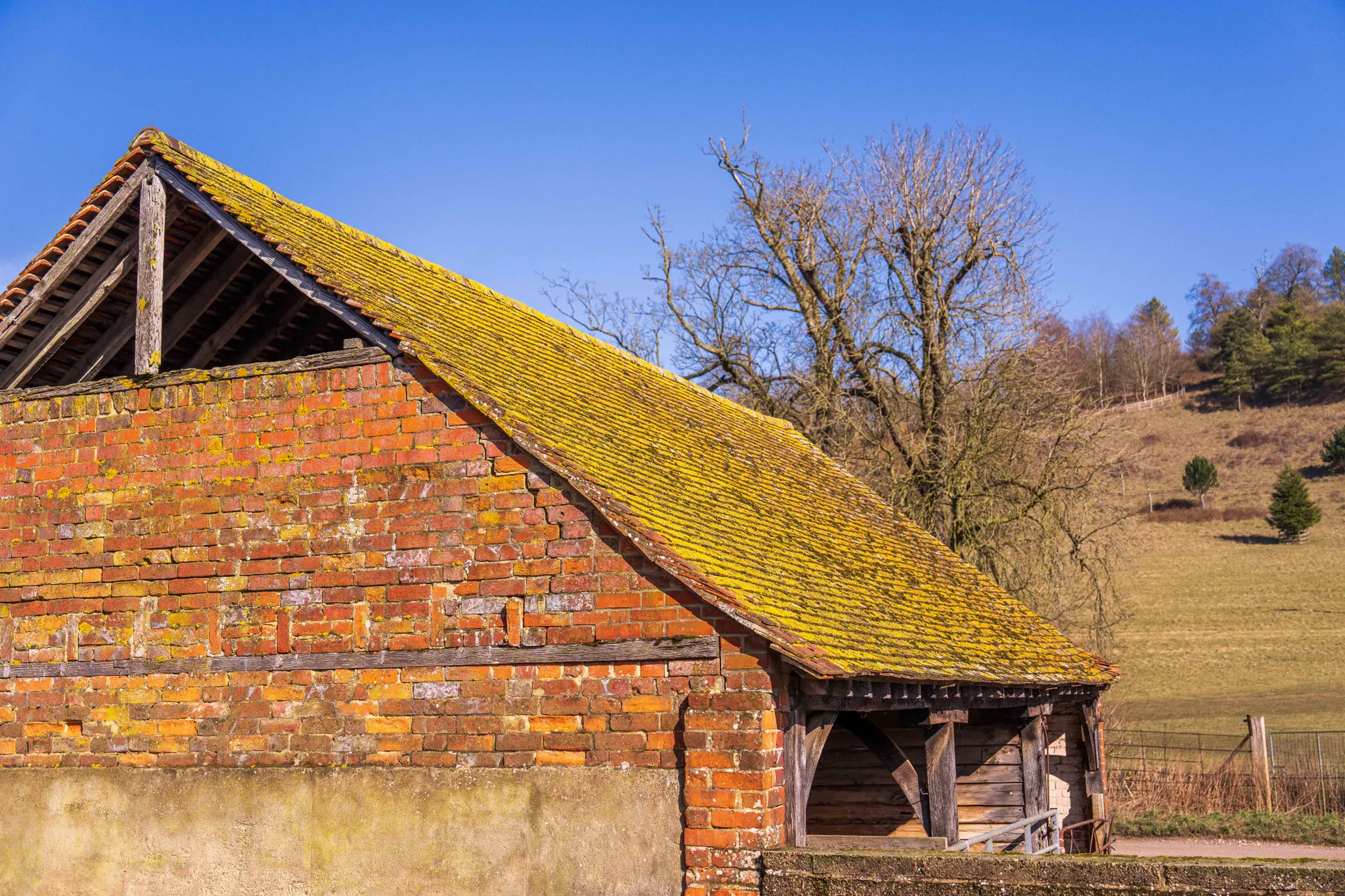
Moss is lifted by hand, working up the pitch with a scraper rather than blasting it off with pressurised water, because a jet strong enough to shift a thick moss mat is also strong enough to strip the granules off felt and dislodge tiles that BS 5534 expects to stay mechanically fixed in place. North-facing and heavily shaded pitches — the roofs backing onto mature trees in Allestree and the leafier corners of Littleover are typical — carry the thickest growth, since they hold moisture longest between one wet Derby week and the next. Scraped debris is cleared from valleys and gutters as it comes away rather than left to wash down and block the run below.
Soft Washing and Biocide Treatment
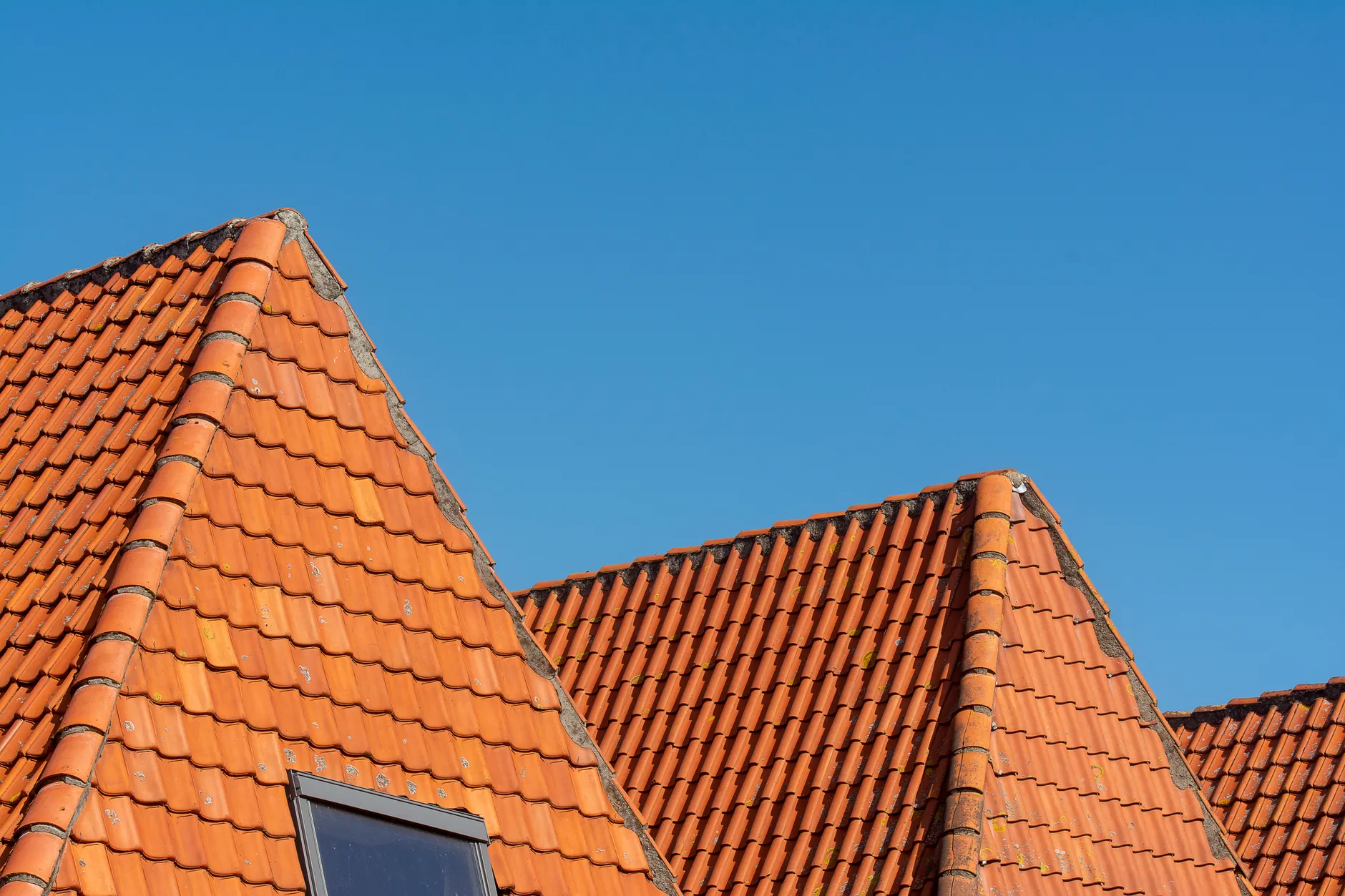
Once the bulk of the moss is scraped away, a low-pressure soft wash and biocide application deal with what a scraper cannot reach — the spores and root structure sitting in the texture of a concrete tile or the lap of a slate. The biocide is applied to kill regrowth at the surface rather than simply rinsing colour off, which is the difference between a roof that stays cleaner for a season or two and one that greens straight back over the following winter. Nothing about the process involves the high-pressure jetting that erodes tile glaze or lifts slate edges.
Gutter Clearing and a Post-Clean Survey
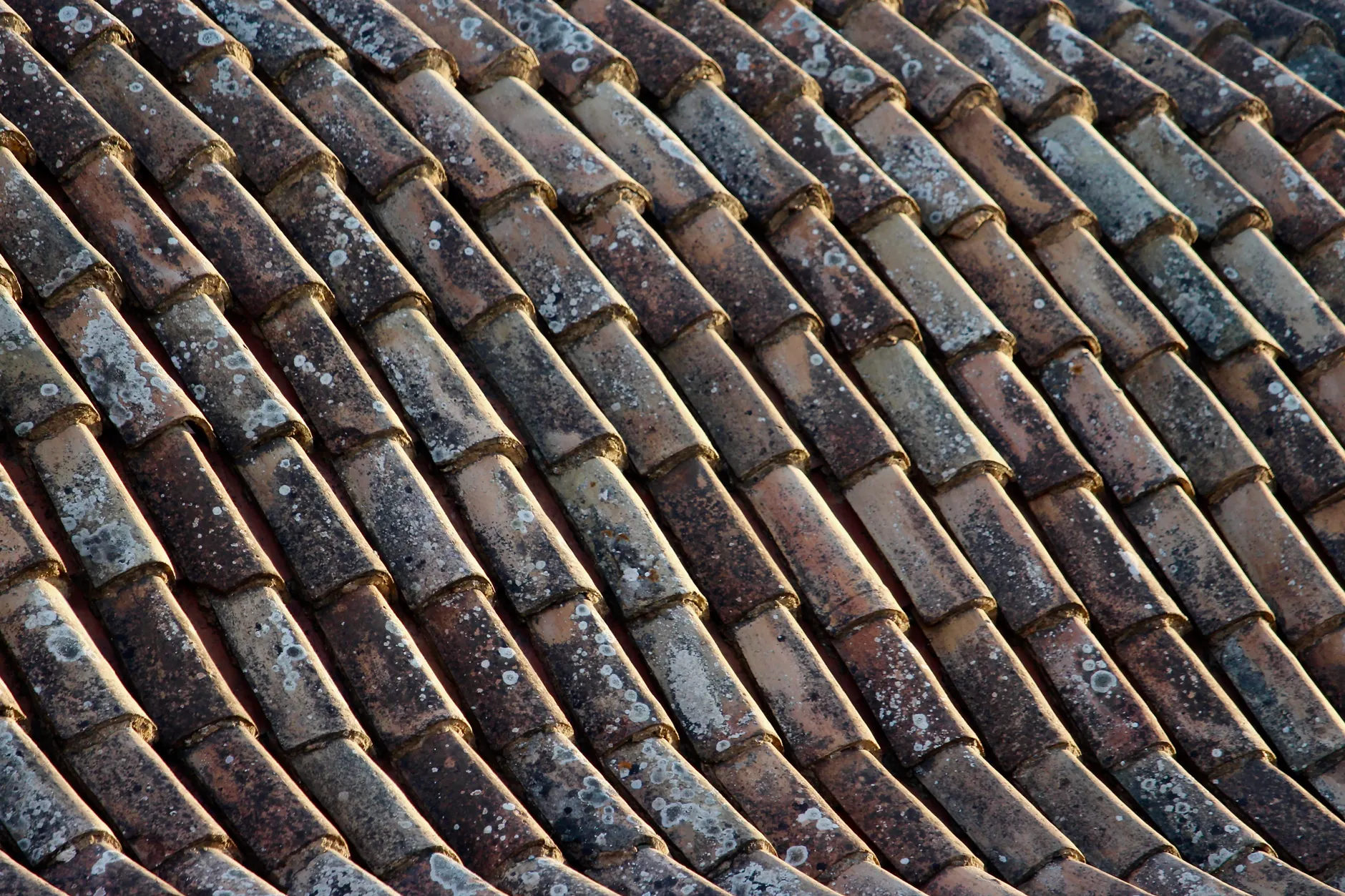
Moss and scraped debris that lands in the valleys and gutters is cleared as part of the same visit, because a roof left clean above a blocked run just moves the problem to the eaves. Once the covering is visible again we carry out a proper survey — checking for tiles or slates that slipped under the moss, ridges that have loosened, and flashing or pointing around any chimney stack that the growth had been hiding. Anything found is set out in writing, with a fixed quote for the fix, before any further work is agreed.
The Benefits
Why a Careful Clean Beats a Quick Jet Wash
The wrong method can do more damage to a Derby roof than the moss it was meant to remove, so how the covering is cleaned matters more than how fast.
The Covering Survives the Clean
High-pressure jetting strips the protective granules from felt and bitumen coverings and can lift the edges of natural slate, driving water in rather than keeping it out — on an ageing Normanton terrace roof or a tiled suburban semi alike, that is real damage done in the name of tidying moss off. Manual scraping and a soft biocide wash lift the growth without abrading the material underneath, so the roof comes out of the clean in the same condition it went in, minus the moss.
Hidden Faults Get Caught Early
A tile that slipped under a moss mat, or pointing that has started to crumble around a stack, tends to stay invisible until the growth covering it is gone — which is exactly the point a post-clean survey catches it. Finding a loosened ridge or a failing flashing while it is a small, cheap repair beats finding it months later as a leak into the loft. The survey costs nothing extra; it is simply what happens once the covering is visible again.
The Roof Sheds Water Properly Again
Moss does not just sit on a covering, it holds rainwater against it, and on a roof already taking 779 mm of rain a year that trapped moisture is what drives frost damage and slow deterioration on shaded and north-facing pitches. Clearing the growth and the gutters it blocks lets the roof shed water the way it was built to, rather than sitting damp between one Derby downpour and the next.
Why Us
Why Derby Trusts Us With Its Moss-Covered Roofs
Shaded pitches and wet valleys, read street by street across the city, before the growth shows from the pavement.
We Know Where Moss Actually Grows
North-facing pitches, valleys between two roof planes, and anything shaded by mature trees are where moss establishes first in Derby, and the survey reads each pitch for those spots, so attention goes to the roofs at risk before the growth is visible from the pavement. Reading a roof against its street and its shade is what a quote given from a distance cannot replicate.
We Won't Reach for the Jet Washer
A pressure washer clears moss fast and looks impressive on the day, but it is the fastest way to strip felt granules or lift a slate edge on a Derby roof, and we will not do it. Manual scraping and a soft biocide wash take longer and cost the covering nothing, which matters more once the job is judged a year later rather than an afternoon later.
One Team Across the Whole Service Area
From the shaded terraces of Normanton out to Littleover, Mickleover and Allestree, the roofers we coordinate handle roof cleaning, moss removal and everything a clean turns up — see roof repairs and our full range of services for what comes next if the survey finds a fault worth fixing.
A moss-covered roof and a roof that genuinely needs re-roofing can look similar from the ground, which is why every clean ends with a proper survey rather than a wash-and-go. Where the clean uncovers slipped coverings or failing flashings, see roof repairs; where it's slate or tile reaching the end of its life, that's a separate conversation entirely. The same cover reaches Littleover, Mickleover and Allestree — see our full range of services for everything else.
Frequently Asked Questions
Why does moss grow on some Derby roofs and not others?
Moss needs damp and shade to establish, and Derby supplies plenty of both — around 779 mm of rain falls across the city most months of the year, and pitches that face north or sit behind mature trees stay wet for far longer between showers than a south-facing slope in full sun. That is why moss collects thickest on shaded roofs in the leafier parts of Allestree and Littleover, in valleys between two roof planes, and along the north side of a ridge. A roof with good sun exposure and clear surrounding trees can go years without the same growth a shaded neighbour develops in one wet winter.
Is jet washing or pressure washing safe for my roof?
No — a jet strong enough to strip a thick moss mat off in seconds is also strong enough to blast the granular coating off a felt or bitumen roof and drive water up under the edges of natural slate. On concrete and clay tiles it can strip the surface glaze and force water into joints that BS 5534 expects to stay mechanically sealed against wind uplift. We do not offer high-pressure jetting for this reason; every clean is manual scraping followed by a low-pressure soft wash, which removes the growth without eroding the covering underneath it.
What is the difference between soft washing and pressure washing a roof?
Pressure washing forces water at high velocity to blast material off a surface, which strips protective coatings and can dislodge fixings on an older Derby roof. Soft washing uses low water pressure combined with a biocide solution that kills moss, algae and organic growth chemically rather than mechanically, so the covering is not being scoured at all. On a Derby roof, where the covering has to keep working through around 779 mm of rain a year, that difference is the reason soft washing is the method we use after the bulk of the moss has been scraped away by hand.
Will scraping moss off damage my tiles or slates?
Done carefully, manual scraping is far gentler on the covering than any pressure-washing alternative, because the scraper works with the lay of the tile or slate rather than blasting against it. The real risk with moss removal is not the scraping itself but rushing it or using the wrong tool, which is how tiles get cracked or slates lifted. We work up the pitch by hand, clearing debris into the gutters as we go, and any tile or slate found already loose or cracked underneath the moss during scraping is flagged in the post-clean survey rather than simply refitted and left.
How do you stop moss coming straight back after a clean?
Scraping removes the visible growth, but moss spores and root structure sit in the texture of a tile or the lap of a slate and can regrow within a season if left untreated. A biocide treatment applied as a low-pressure soft wash after scraping kills what the scraper cannot reach, which slows regrowth considerably compared with a scrape-only clean. Shaded, north-facing roofs in wetter parts of the city — particularly where mature trees overhang the pitch, common around Allestree — will still need attention sooner than a sunnier, more exposed roof, whatever treatment is used.
Do you clear my gutters as part of a roof clean?
Yes — moss and scraped debris that lands in the valleys and gutters during a clean is cleared as part of the same visit, because leaving it there simply moves the blockage from the roof to the eaves. This is separate from a full roofline renewal; if your gutters, fascias or soffits themselves need replacing or realigning rather than just clearing, that work is covered under our guttering, fascias and soffits service. A roof clean handles what the moss removal itself puts into the run, not a pre-existing gutter fault.
What do you check for during the post-clean survey?
Once the moss and growth are gone the covering is visible for the first time in months, so we look for tiles or slates that slipped a few millimetres under the growth, ridges or verges that have come loose, and pointing or flashing around a chimney stack that the moss had been hiding — the kind of detail covered in depth on our chimney and leadwork page where a stack is involved. Anything found is written up with a fixed quote, and there is no obligation to have further work done through us; the survey itself is included in the price of the clean. If nothing is amiss, we say so plainly — a clean roof that needs no further work is a perfectly good result to walk away with.
How often should a roof be cleaned in Derby?
There is no single fixed interval, because it depends on the pitch's exposure, how much shade and overhanging tree cover it gets, and how much moss built up the last time it was cleaned. As general trade guidance, a shaded, north-facing roof under mature trees in a leafier suburb needs attention more often than an exposed, south-facing pitch in the open. Rather than sell a set schedule, we assess the growth at survey and give you an honest view of whether it is worth doing now or can reasonably wait.
Can leaving moss on my roof cause a leak?
It can contribute to one over time, because moss holds rainwater against the covering rather than letting it run off, and on a roof already taking around 779 mm of rain a year that trapped moisture drives faster deterioration and, through winter freeze-thaw, can crack tiles or lift slate edges it has been sitting on. A blocked gutter caused by washed-down moss debris can also back water up under the eaves. Moss removal on its own does not fix a leak that has already started, but it removes one of the ongoing causes of covering damage on a shaded pitch.
Do you clean flat roofs, or only pitched tile and slate roofs?
Moss, algae and organic growth can also collect on flat roof coverings such as EPDM rubber and GRP fibreglass, particularly where ponding leaves water sitting on the surface or where the roof sits in shade from an adjoining wall or overhanging trees. The cleaning approach differs from a pitched roof — no manual scraping against a membrane — and is assessed at survey against the specific covering fitted. Where the flat roof itself needs repair rather than cleaning, that work is covered under flat roof repair and replacement.
Get the Moss Off Before It Does More Damage
Free survey, fixed written quote. Call 07700 149979 today.
07700 149979