Roofing · Derby, Derbyshire
Roof Repairs in Derby
A single slate lying in the back yard, or a tile that has crept out of line on a bay-fronted semi, is the everyday start of a Derby roof repair — and it is almost never as isolated as it looks from the pavement. The inner terraces off Normanton Road wear natural slate that has been on the battens for well over a century, while the interwar and postwar suburbs out at Littleover, Mickleover and Allestree run clay plain tiles and concrete interlocking tiles that are now old enough to slip and crack in turn. What both share is a wet, inland Midlands climate — roughly 779 mm of rain a year, spread through every month, followed by winter freeze-thaw — and that steady wetting-and-freezing is what loosens fixings and lets a covering start to fail.
The person who answers 07700 149979 can usually place a slipped slate on a Normanton terrace or a lifted tile on an Allestree detached roof from the address alone, because the housing in each postcode follows a pattern. Every repair is set out first in a free, no-obligation roof survey and a fixed written quote, so you see the scope and the figure before anyone lifts a slate. The work itself is carried out to the standards that govern it — BS 5534 for slating and tiling and BS EN 12588 for any lead flashing renewed along the way — rather than smeared over to last until the next downpour.
Derby's housing decides the shape of the job as much as the weather does. The dense Victorian and Edwardian terraces that ring the heritage core, above all around Normanton in DE23, carry slate roofs with tall party-wall chimney stacks and lead-lined valleys between the rows, so their common faults are slipped and delaminated slates, failed torching, loose mortar-bedded ridges, and worn lead where the roof meets a stack. The tiled suburbs fail differently: perished underlay felt, corroded nibs and fixings, and cracked concrete tiles on roofs first laid in the 1930s to 1970s. Each of those is confirmed on the roof, not guessed at from ground level.
A roof that has lost a run of tiles in a gale, is dripping into a bedroom, or shows daylight through the boarding is treated as a same-day, round-the-clock call-out. Derby's real weather risk is not coastal wind but persistent driving rain and the River Derwent's long flood history through the low-lying inner districts, so getting a roof weathertight quickly is what keeps water out of ceilings, insulation and wiring. Ring 07700 149979 and someone gets up to see what is actually failing before there is any talk of larger work.
What We Do
The Repairs Derby Roofs Ask For Most
Most calls come down to a slipped covering, hidden water ingress, storm damage, or a tired flashing — and the survey settles which one before a single slate is lifted or a price is fixed.
Slipped, Cracked and Missing Slates or Tiles
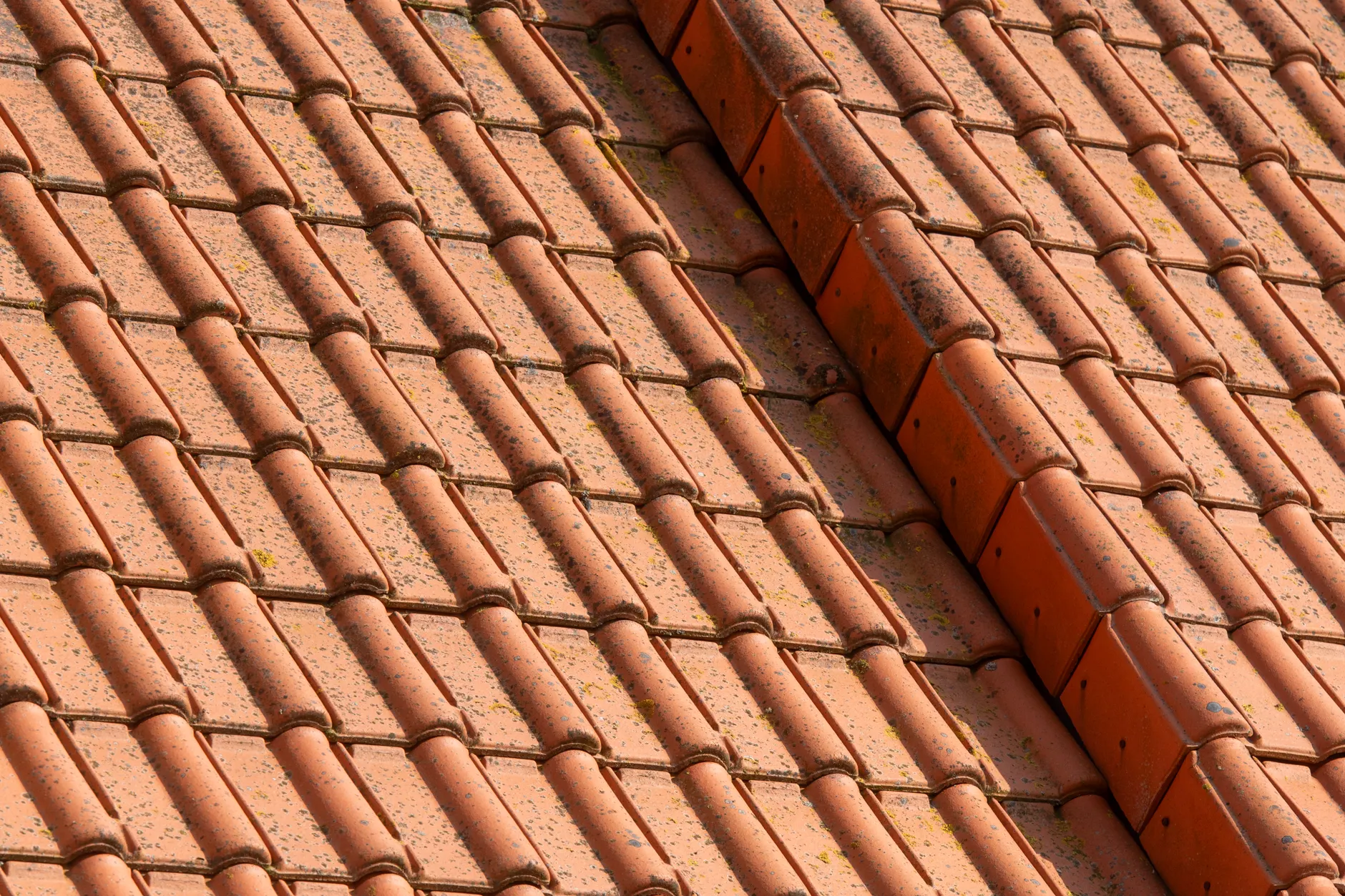
The most frequent single repair in the city is a slate or tile that has slid down the pitch or gone entirely, and on the older Normanton slate roofs it rarely arrives alone — where the fixing nails of one slate have corroded through, the neighbours along the same batten are the same age and heading the same way. On the tiled suburban semis the equivalent is a cracked concrete tile or a broken nib on perished underlay. Each covering is refixed or replaced to match, held mechanically to resist wind uplift under BS 5534 rather than left sitting loose on old mortar.
Leak Tracing Into Loft and Ceiling
A brown stain spreading across a bedroom ceiling almost never sits directly beneath the fault that caused it, because water runs down the underlay, along a batten or rafter, and drops in somewhere else. On Derby stock the usual culprits are a slipped slate, a split lead valley between terrace rows, a cracked mortar fillet, or perished flashing at a chimney stack. The leak is traced from the roof and inside the loft so the repair fixes the true entry point, and any lead junction is re-dressed to BS EN 12588 rather than patched with mastic that cracks again by the next frost.
Storm and Wind-Damage Make-Safe
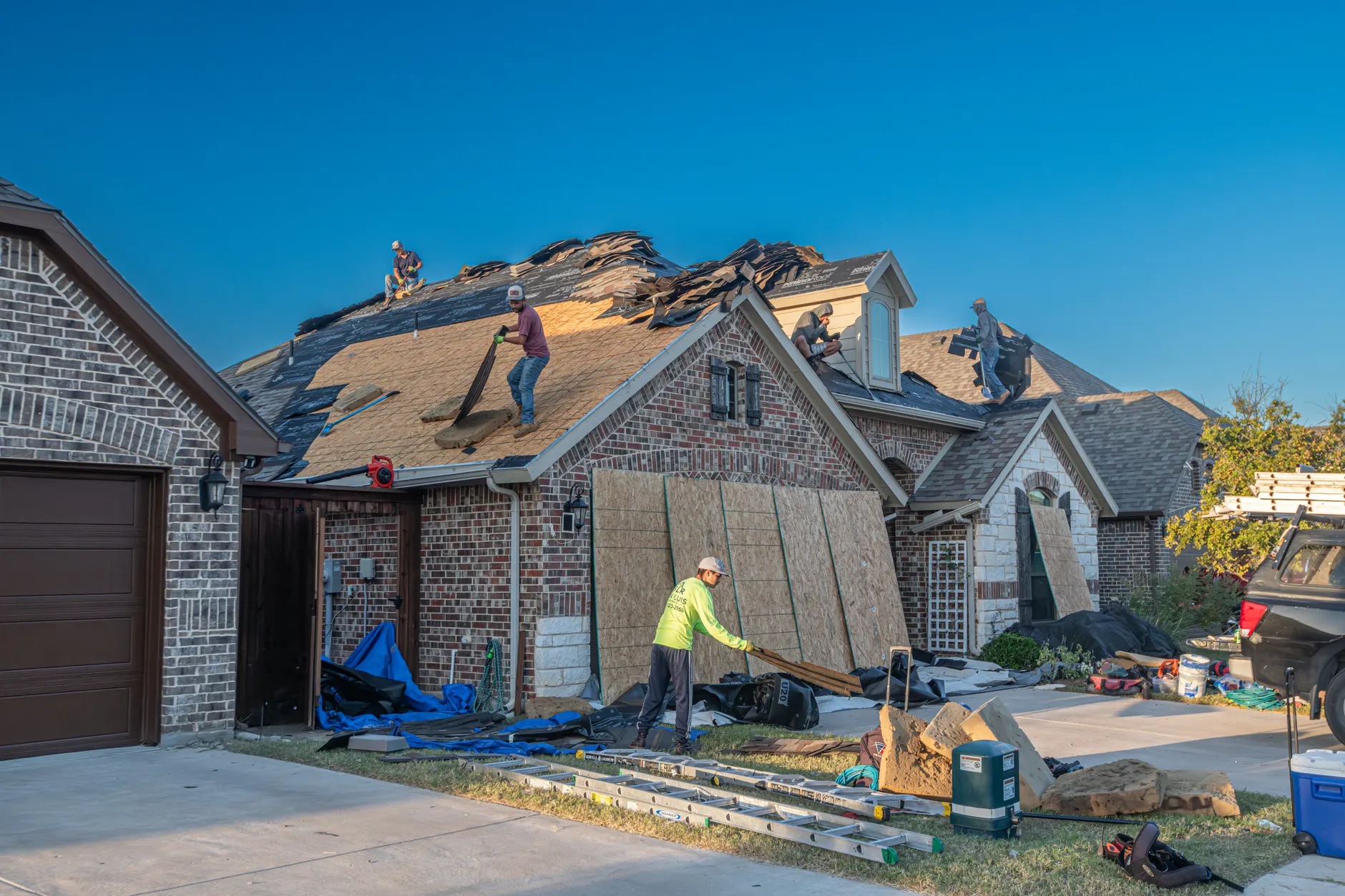
When a squall lifts a ridge line, peels back a verge or drops a run of tiles, the first job is to make the roof safe and weathertight so nothing more gets in, and only then to put the displaced work back properly. Derby sits inland, so the damage tends to come from prolonged driving rain finding an already-weakened covering rather than a single coastal gale, but the response is the same — sheet the opening, secure loose material, and photograph what happened during the survey for any claim. The permanent repair is then mechanically fixed so the next spell of weather does not simply undo it.
The Benefits
Why a Traced Repair Outlasts a Patch
Persistent rain and inland freeze-thaw are the constants on a Derby roof, so a repair that ignores why the covering let go tends to be back within a season.
A Free Survey Ahead of Any Figure
The written quote follows a proper look at the roof — from a ladder or up on the covering — not a number guessed over the phone, so what you are quoted reflects what is genuinely failing. If one slipped slate turns out to be the first sign of widespread nail fatigue across a Normanton terrace, we say so plainly and set out both the patch and the fuller option, leaving the decision with you.
Fixings That Hold Through the Winter
Slates and tiles are mechanically fixed to BS 5534 and lead junctions renewed to BS EN 12588, because a re-bedded slate or a mastic-smeared flashing on Derby's wet, freeze-thaw exposure has a short life. Doing the fixing correctly the first time is what stops the same slate slipping back down the same pitch after the next run of hard frosts.
Round-the-Clock When Water Is Getting In
A roof actively leaking into the loft, or opened up by a storm, is made safe first and repaired properly second, because water reaching ceilings, insulation and wiring is where a cheap fault turns into an expensive one. A same-day make-safe limits that damage while the lasting repair is planned.
Why Us
Why Derby Rings Us for Roof Repairs
One wet, inland climate working on the same slate terraces and tiled suburbs, and a repair planned around both.
We Read the Terrace Roof
A slate roof over a run of Normanton terraces carries shared party-wall chimney stacks and lead valleys between the houses, so a leak above one front door often traces to a stack or valley serving several. We check the whole run and its junctions while access is up rather than swapping the one slate that happened to fall, because the next nail along the same batten is usually not far behind.
We Match Coverings in the Conservation Streets
Parts of Friar Gate, Strutt's Park and the former village cores at Mickleover and Allestree fall inside Derby's designated conservation areas, where a repair on a street-facing roof is expected in matching natural slate or clay tile rather than swapped for modern concrete. We source coverings that match the existing roof in size and colour, and can flag at survey whether a street is likely to be controlled.
One Number Across the Whole Area
From the inner terraces of Normanton out to Littleover, Mickleover and Allestree, the roofers we coordinate handle slate, tile and flashing repairs across the full service area — see our full range of roofing services for everything else, from chimney and leadwork to re-roofing.
Roof faults rarely travel alone — a leak near a stack often points to chimney and leadwork, and a tired flat section belongs with flat roof repair and replacement. Where a roof is genuinely past patching, see roof replacement and re-roofing, and our full services for everything else. The same cover reaches Littleover, Mickleover and Allestree.
Frequently Asked Questions
Why do Derby roofs slip and leak more with age than newer ones?
Derby lies inland in the East Midlands with around 779 mm of rain a year spread fairly evenly through the seasons, followed by winter freeze-thaw rather than salt-laden coastal gales. That steady wetting and freezing delaminates ageing slate, opens mortar-bedded ridges and rots lead valleys on the older stock. On top of that, much of the inner city is period slate terracing old enough that the fixing nails are rusting through, which is why a slipped slate is such a common first call here.
One slate has slipped on my Normanton terrace — is it likely to be the only one?
Usually not, because on a roof reaching the end of its natural fixing life the nail holding one slate is the same age as those holding its neighbours along the batten. When one corrodes through and lets go, the others are corroding at their own pace and often follow within a season or two. That is why we check the surrounding courses during a repair rather than simply refixing the single slate that fell, and why a survey while access is up is worth the small extra time.
My ceiling is stained but I can't see a hole in the roof — how do you find the leak?
Water rarely drips straight down from where it enters, because it runs along the underside of the slate, down the underlay, or across a batten before finding a gap to fall through, so the stain is often well away from the fault. We trace the leak from the roof and inside the loft, looking for the slipped slate, cracked fillet, split valley or perished flashing letting it in. Getting the trace right first means the repair fixes the real entry point rather than the wet patch it happened to reach.
A storm has lifted tiles off my roof — what happens first?
The first step is a make-safe: sheeting any opening, securing or removing displaced ridges, verges and tiles, and stopping water getting in before it reaches ceilings, insulation and wiring. Once the roof is weathertight the permanent repair is scoped, and the displaced work is put back and mechanically fixed so the next spell of weather does not undo it. We treat an active storm opening or leak as a round-the-clock call-out because water in a loft does not wait for morning.
Will you photograph storm damage for an insurance claim?
Yes — during the survey we photograph the damage and set out clearly in the written quote what the weather actually did, which is usually the documentation an insurer asks for. We never invent or exaggerate damage to suit a claim, because a record has to be honest to be useful. A clear, dated set of photographs alongside a defined scope of repair makes a storm-damage claim far easier to process.
Can you match the slate or tile on a roof in a Derby conservation area?
Yes — parts of Friar Gate, Strutt's Park and the former village centres of Mickleover and Allestree sit inside Derby's designated conservation areas, where a street-facing repair is expected in matching natural slate or clay tile rather than modern concrete. We source coverings that match the existing roof in size and colour so the repair reads as part of the original. If you are unsure whether your street is controlled, we can flag it at the survey and advise on the right material.
Is a smear of mortar or sealant over a flashing a proper repair?
Patching a failed flashing with fresh mortar or mastic is a very short-lived fix on Derby's wet, freeze-thaw exposure, because the joint between a roof and a chimney or wall moves with heat and cold and a rigid smear simply cracks again. Where a junction is leaking, the lasting repair is to re-dress or renew the flashing in lead to BS EN 12588 so the joint stays weathertight and free to move. It costs more than a smear of sealant, but it is the difference between a repair that holds and one that returns at the next frost.
How quickly can someone come out for a roof repair in Derby?
Active leaks and storm damage are treated as round-the-clock call-outs, because water getting into a loft does not wait, and a make-safe to stop the ingress usually happens the same day. Non-urgent repairs — a single slipped slate, a bit of loose flashing, or a survey ahead of winter — are booked at the earliest convenient slot, usually within a few days depending on access and any scaffold. Ring 07700 149979 and we will give you a straight answer on timing for your particular job.
Do the tiled suburbs fail in the same way as the slate terraces?
Not quite — the inner Normanton terraces are natural slate on aged nails, so their classic faults are slipped slates, failed torching and worn lead at the shared stacks. The interwar and postwar semis at Littleover, Mickleover and Allestree carry clay plain tiles and concrete interlocking tiles, whose faults tend to be cracked tiles, broken nibs and perished underlay felt reaching the end of its life. We diagnose each on its own terms rather than treating every Derby roof as the same job.
Should I have the whole roof surveyed if only one tile has moved?
It is well worth it, because a single slipped tile on an older Derby roof is often the visible tip of wider fixing fatigue, cracked coverings or tired flashings that are cheaper to catch early. A free survey while access is arranged for the obvious repair means the roof is checked as a whole, so you are not paying for repeated call-outs as each tired fixing lets go in turn. There is no obligation — you get an honest picture of the roof's condition and a written quote, and the choice is yours.
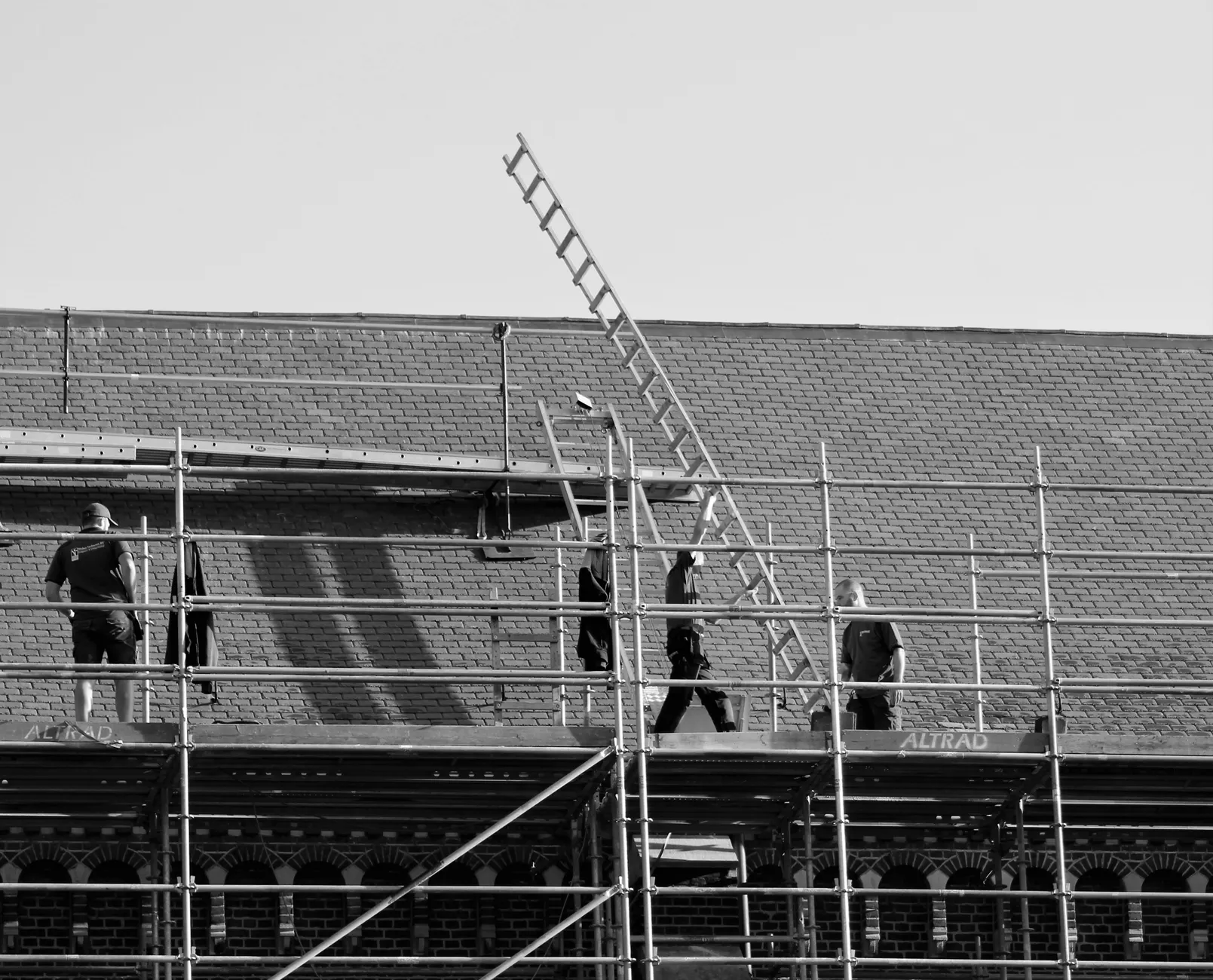
Get the Roof Looked At Today
Free survey and a fixed written quote. Call 07700 149979 now.
07700 149979