Roofing · Derby, Derbyshire
Roof Coating & Restoration in Derby
Derby Roofer Quality Repair & Replace coordinates roof coating and restoration across the city on one principle before any other: restoration is for a roof that is fundamentally sound, not a roof that has already failed. It covers a breathable coating system applied to a clean, checked covering, a full roof restoration that re-points and re-beds loose ridges and replaces the odd broken tile as it goes, and roofline & render restoration on the render and boards around the covering — handled together from the first survey to the final clean-down.
A tired roof is more than a cosmetic problem on Derby's older stock, where discoloured tiles, chalky render and loose ridge mortar sit above the same slate and clay coverings that have carried the city's terraces and suburbs for decades. We offer a proper on-roof consultation before any product touches a tile, assessing the covering's actual condition, the render's state on solid-wall Victorian and Edwardian houses, and what the roof and your budget genuinely need. Where a coating is right for the job, we use breathable systems rather than a sealed, film-forming paint, because a roof-space that can no longer breathe is a different problem to the one you started with.
The survey is what decides scope and price, not a fixed number quoted over the phone — a small bungalow roof, a full terrace run and a large Allestree detached roof are three different jobs. Ridges are re-bedded, pointing is renewed, broken or slipped tiles are swapped before coating, and only then does the finish go on, so the work is transparent from the written quote through to sign-off. We do not sell a coating as a stand-in for a re-roof; where a covering has genuinely failed, we say so and point you toward what the roof actually needs.
When Derby homeowners choose us for coating and restoration, they get a straight answer on whether their roof qualifies for it at all, honest pricing that reflects the size and condition of the roof in front of us, and finishing work built to last through the city's wet winters. Ring 07700 149979 for the survey that starts every job.
What We Do
What Roof Coating & Restoration Covers
Restoration is three linked jobs done in the right order — repair the covering, protect it with the right system, and put right the render and roofline it sits inside — never a coating sprayed straight over unresolved faults.
Full Roof Restoration
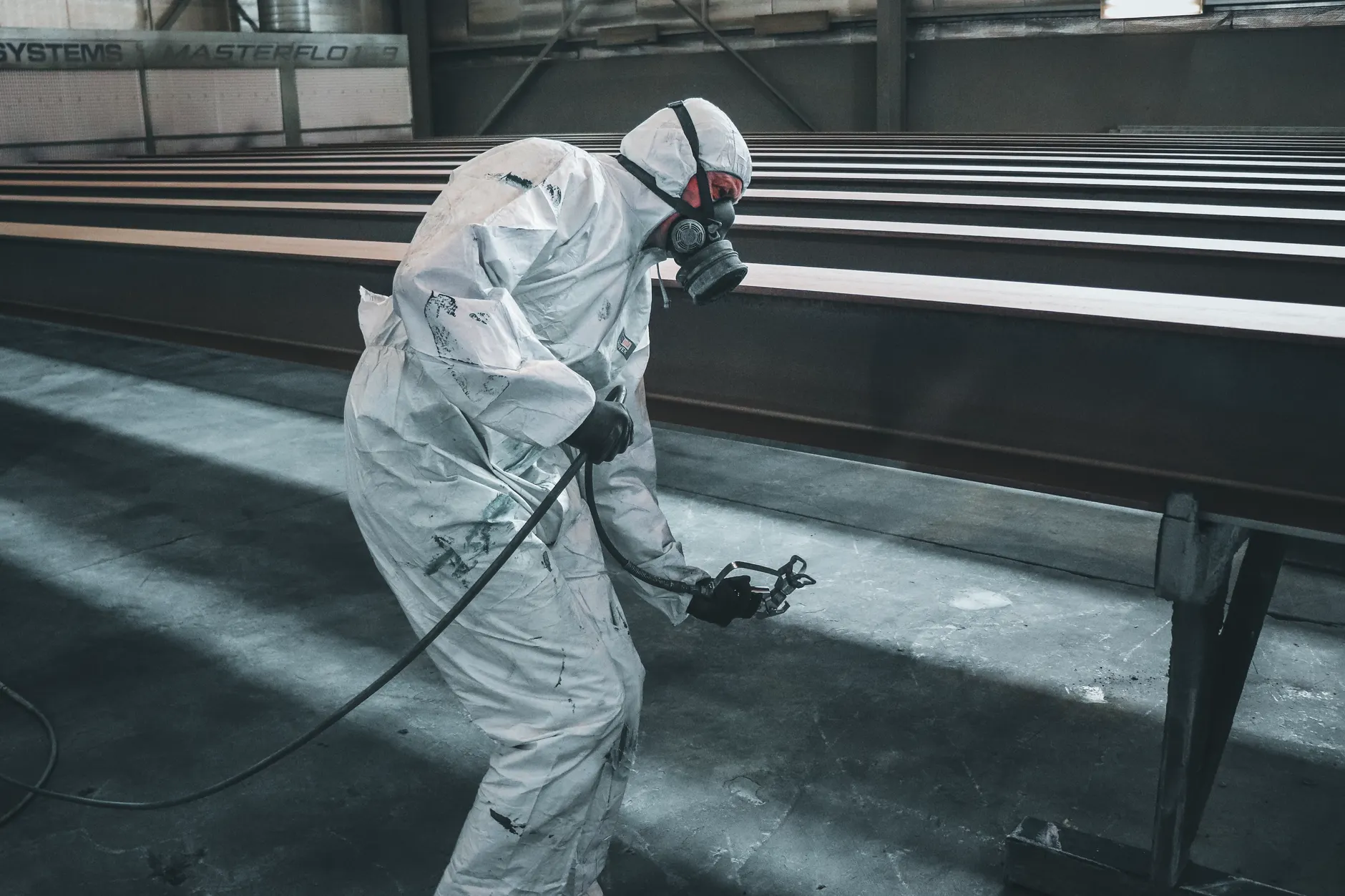
A full restoration starts with a clean-down, then works through the covering fixing what a clean alone would leave behind: loose or eroded ridge and hip mortar is re-pointed, ridges that have worked free are re-bedded, and any broken or slipped tile found along the way is replaced to match rather than left as the one weak point in an otherwise sound roof. Only once the structure of the covering is sound does the roof move to protection, so the finish is going onto a roof that is actually ready for it rather than papering over a fault that will reappear by the next hard frost.
Breathable Coating Systems
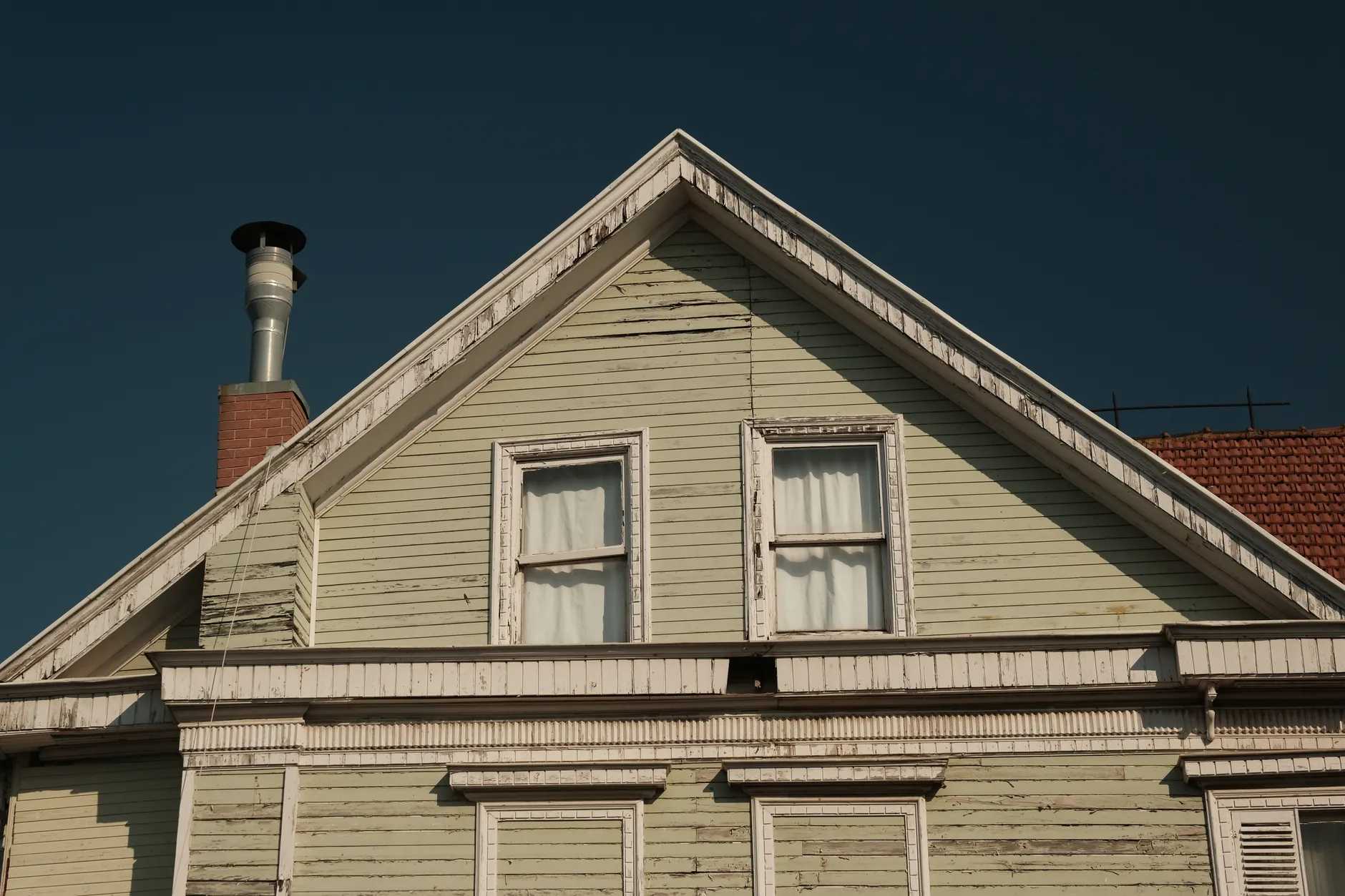
The coating itself is chosen to suit the roof's build-up rather than applied as a default, because a non-breathable, film-forming product on the wrong construction can trap moisture inside the roof space instead of keeping it out — the exact condensation risk BS 5250 exists to manage. On a suitable, sound covering a breathable system lets vapour escape while still shedding Derby's driving rain, which is why the survey checks ventilation and construction before any product gets specified, not after.
Roofline & Render Restoration
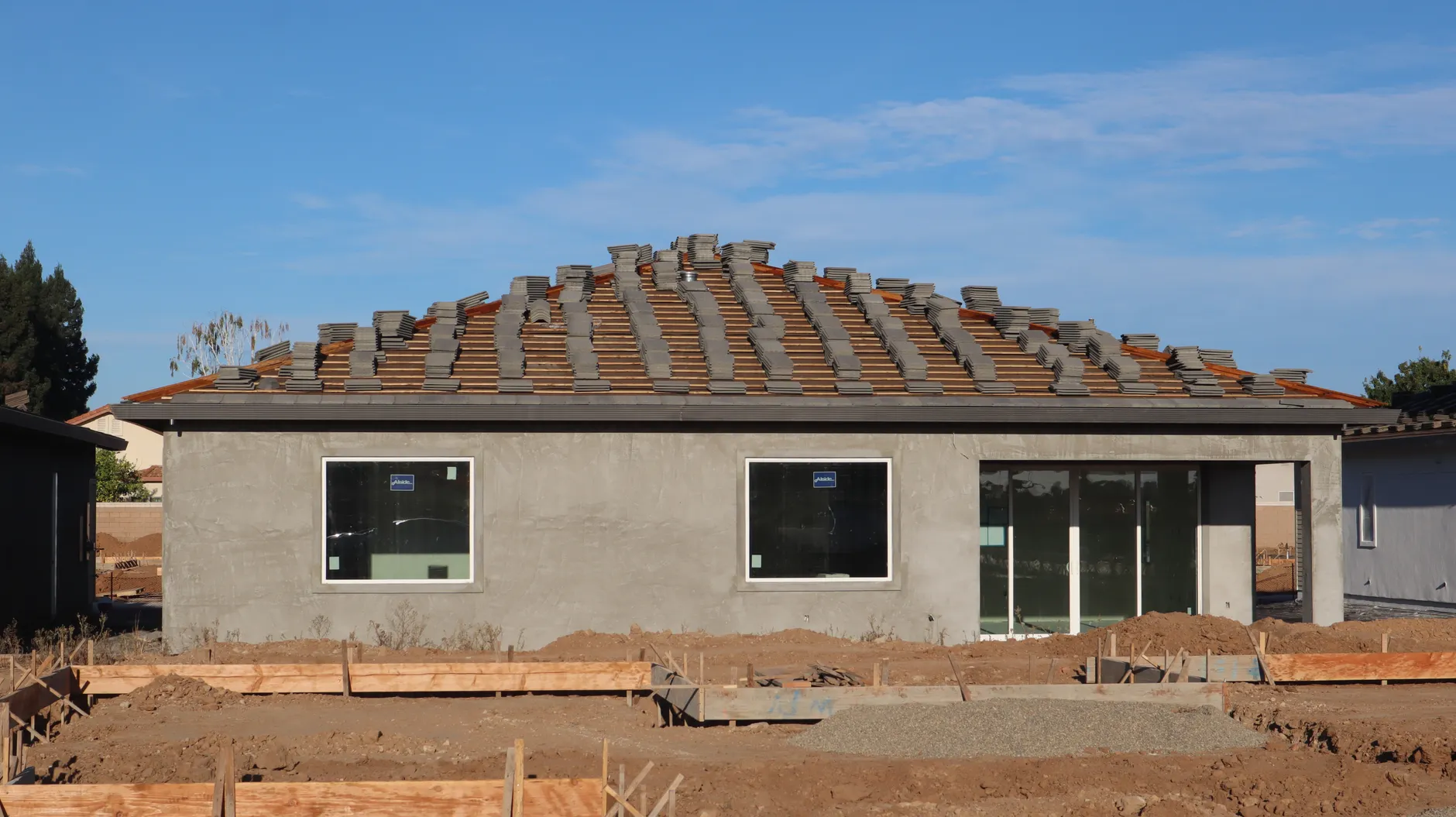
Plenty of Derby's Victorian and Edwardian terraces are solid-wall construction, so the render above the eaves line and the roofline boards beneath the gutter age alongside the covering itself — chalking, hairline cracking and patchy discolouration on the render, and flaking or algae-streaked fascias and soffits below. Roofline and render restoration cleans, repairs and refinishes that surrounding fabric with the roof, so a coated roof does not sit above render or boards left looking a decade older than the work above it.
The Benefits
Why Restore a Sound Roof Instead of Ignoring It
A roof that is still structurally sound but tired-looking has real value in being kept that way properly, rather than left to slide toward the point where only a re-roof will do.
Fixes the Faults a Clean Alone Can't Reach
A clean and moss removal lifts organic growth and grime, but it does not re-bed a loose ridge, re-point eroded mortar or swap a cracked tile — those are structural faults that sit underneath the dirt, not on top of it. Restoration is the step up from cleaning precisely because it deals with what a pressure wash or biocide treatment cannot touch, which is why it is priced and scoped as its own job rather than an add-on to a clean.
Protection Matched to the Roof, Not Sold Regardless
Because the coating decision follows the survey rather than the other way round, you are never sold a breathable system on a roof it will not suit, or a sealed coating on a build-up where BS 5250 flags a condensation risk. Getting that match right at the outset is what keeps a coated roof performing as intended through Derby's wet winters, instead of trading one problem for a hidden one inside the loft.
Renewed Render Keeps the Whole Elevation Consistent
On solid-wall terraces where the render and roofline age at the same rate as the covering, restoring them together means the whole roof line — tiles, ridge, fascia and render — reads as one properly maintained job rather than a patchwork of a new-looking roof over tired brickwork. It is also the more efficient time to do render and roofline work, while access for the roof restoration is already arranged.
Why Us
Why Derby Chooses Us for Coating & Restoration
Judging which Derby roofs are genuinely worth restoring, and being honest about the ones that are not.
We Turn Down the Wrong Job
If a survey shows a covering past the point restoration can honestly fix — widespread nail fatigue, perished underlay, or a roof that is simply worn out rather than tired-looking — we say so and point you toward roof replacement and re-roofing instead of selling a coating that would only mask the real problem for a season.
We Sequence the Job Correctly
Ridges, pointing and broken tiles are dealt with before any coating is discussed, because a survey that skips straight to the finish is how a roof ends up with a sealed film over an unresolved fault. Every restoration follows the same order — inspect, repair, then protect — with each stage set out in the written quote.
Coordinated Across the Whole Area
From the inner Normanton terraces out to Littleover, Mickleover and Allestree, the roofers we coordinate restore pitched roofs of every Derby type, and where a roof needs more than restoration can offer, see roof repairs or our full range of services for the rest of the job.
Restoration only makes sense on a roof the survey confirms is sound; where it is not, see roof replacement and re-roofing instead. For dirt and moss without structural faults, roof cleaning and moss removal is the lighter job, and any loose ridge or missing tile found along the way is covered by roof repairs. Chimney render and pointing tie into chimney and leadwork, and the same cover reaches Littleover, Mickleover and Allestree — see our full services for everything else.
Frequently Asked Questions
Is roof coating a substitute for a full re-roof?
No, and we will tell you plainly if that is what your roof actually needs. Coating and restoration is for a roof that is still structurally sound — the covering, fixings and underlay are basically doing their job but look tired, chalky or mossy — not for a covering that has genuinely failed. Where nail fatigue is widespread or the underlay has perished across the roof, the honest answer is roof replacement and re-roofing, and selling a coating over that would only delay the real fix while making it look temporarily better.
How do you decide whether my roof is suitable for restoration rather than replacement?
It comes down to the free on-roof survey, not a guess from the pavement. We check the tiles or slates and their fixings, the state of the underlay where it is visible, the ridge and hip mortar, and any render or roofline around the covering, and we look for signs of the widespread failure that would rule restoration out. A roof with isolated faults — a few loose ridges, some eroded pointing, a handful of cracked tiles, general dirt and discolouration — is usually a strong candidate; a roof with fixings failing across the board is not, and we say so in the written quote.
Can a roof coating actually make a roof worse?
Yes, if the wrong product goes on the wrong build-up, which is exactly why the coating choice follows a survey rather than a default. A non-breathable, film-forming coating applied where the roof space cannot otherwise ventilate can trap moisture inside instead of keeping it out, creating a condensation risk that BS 5250 — the British Standard covering moisture and condensation control in buildings — exists to manage. Using a breathable coating system where the construction calls for it, and not coating at all where the build-up is unsuitable, is how that risk is avoided rather than created.
What is the difference between roof restoration and roof cleaning?
Roof cleaning removes moss, algae and grime from the surface of a sound covering and is a job in itself — see roof cleaning and moss removal for that on its own. Restoration includes a clean as one step but goes further, re-pointing eroded ridge and hip mortar, re-bedding ridges that have worked loose, and replacing broken or slipped tiles found during the work, before any protective coating is applied. If all a roof needs is the dirt and moss removed, a clean is the right and cheaper job; if the ridges are loose or tiles are cracked underneath the grime, that is restoration.
What does roofline and render restoration involve?
It covers the render above the eaves and the roofline boards — fascias and soffits — beneath the gutter, which age alongside the covering on Derby's solid-wall Victorian and Edwardian terraces. Work typically means cleaning and repairing hairline cracking or chalking render, and cleaning, repairing or refinishing fascia and soffit boards that have flaked or streaked with algae, restoring the whole roof line rather than leaving newly restored tiles above tired brickwork and boards. It is scoped alongside the roof restoration itself, using the same access, rather than as a separate visit.
How much does roof coating and restoration cost in Derby?
There is no fixed rate, because the price is driven by the roof's size, its condition, and how much repair — re-pointing, re-bedding, tile replacement — the survey finds before any coating goes on. A small, already-tidy roof needing mainly a clean and protective coat costs a good deal less than a larger roof or terrace run with several ridges to re-bed and tiles to replace first. We give a fixed written quote after the free survey, itemising the repair scope and the coating separately, so you see exactly what you are paying for and why.
How long does a roof restoration take?
A straightforward restoration on an average pitched roof — clean, re-point, re-bed a ridge or two, coat — is typically completed within one to two days on site, weather allowing, since coating work stops in rain. A larger roof, a full terrace run, or one needing several tiles replaced and more extensive re-pointing before coating takes longer. We set a realistic programme in the written quote once the survey has scoped the actual repair work, rather than quoting a generic figure before seeing the roof.
Do you replace broken or slipped tiles as part of a restoration?
Yes — any broken, cracked or slipped tile found during the survey or the clean-down is replaced to match before the roof is coated, because coating over a broken tile only hides the gap it leaves rather than fixing it. Matching tiles are sourced to suit the existing covering, whether that is a concrete interlocking tile on a Littleover or Mickleover semi or a clay plain tile on older Derby stock. Restoration is scoped to leave the whole covering sound, not just visually refreshed.
Is there a best time of year in Derby to have a roof restored?
Drier stretches in spring through early autumn suit coating work best, because the covering needs to be dry for cleaning, re-pointing and the coating itself to cure properly, and Derby's roughly 779 mm of rain a year is spread fairly evenly through the seasons rather than concentrated in one obvious window. Winter restoration is possible between spells of wet or freezing weather but is more likely to be delayed, since coating and mortar work both stop in rain or frost. We build realistic weather contingency into the programme whatever time of year the survey happens.
What guarantee do you offer on restoration work?
The repair element — re-pointing, re-bedding and any replaced tiles — carries a workmanship guarantee like any other roof repair we coordinate, and any coating product applied follows the manufacturer's own stated terms, which are set out at quote stage rather than promised verbally. We do not attach an invented lifespan figure to a coating, because how long a finish performs depends on the roof's construction, ventilation and exposure, which is exactly why the survey and the correct breathable system matter more than the coating alone. That way the guarantee you are given is one we can stand behind in writing, rather than a headline number that means little once the weather gets to work.
Find Out If Your Roof Is a Candidate for Restoration
Free survey and a fixed written quote. Call 07700 149979 today.
07700 149979