Roofing · Derby, Derbyshire
Guttering, Fascias & Soffits in Derby
Guttering is the part of a roof that has to work hardest in Derby and gets noticed least. The city takes roughly 779 mm of rain a year, spread fairly evenly through every month rather than arriving in a few dramatic storms, so the rainwater goods along the eaves are moving water almost constantly — and a blocked, sagging or leaking run does its damage quietly, sending water down the wall face, into the fascia timber and, eventually, into the wall itself. On the inner Normanton terraces that still carry original cast-iron guttering, and on the tiled suburban semis at Littleover, Mickleover and Allestree running older uPVC, the eaves are usually where a roof's problems first become visible from the ground.
The guttering, fascia and soffit work we coordinate across Derby treats the roofline as the roof's drainage system rather than a cosmetic finish. Every job starts with a free survey and a fixed written quote, whether you need a length of gutter realigning, a full uPVC replacement, or the fascia and soffit boards renewed behind them. The point of the survey is to find out why the water is not getting away — a fall that has dropped, a joint that has failed, a downpipe that is blocked, or timber that has rotted and let the whole run sag — so the fix addresses the cause rather than the symptom you can see.
Derby's mix of cast iron and uPVC shapes the work. The period terraces around Normanton, Rose Hill and the conservation streets often retain original cast-iron gutters and downpipes, which are heavy, long-lived and, where a conservation setting calls for them, worth repairing and repainting rather than swapping for plastic — though a failed cast-iron run past saving is replaced with a suitable modern equivalent. The interwar and postwar suburbs are largely uPVC, cheaper to replace and maintain but prone to sagging brackets, split joints and brittle, sun-degraded sections after a couple of decades in the weather. We match the answer to the property and, where relevant, the street.
Behind the gutter sit the fascia and soffit — the boards that carry the guttering and close off the eaves — and they are where a long-ignored gutter leak ends up. Water spilling behind a gutter rots timber fascias and soffits, and rotten boards then let the gutter drop and the roof edge open to weather and nesting birds. Replacing them in low-maintenance uPVC, with the correct eaves ventilation kept clear so the roof space still breathes, closes the edge of the roof properly and stops the cycle. Ring 07700 149979 and we will look at the whole roofline together, not just the length you can see failing.
What We Do
What Roofline Work in Derby Covers
From clearing and realigning a sound run to a full roofline replacement in uPVC — the survey settles whether the fault is the gutter, the fall, the downpipe or the timber behind it.
uPVC Guttering Replacement and Repair
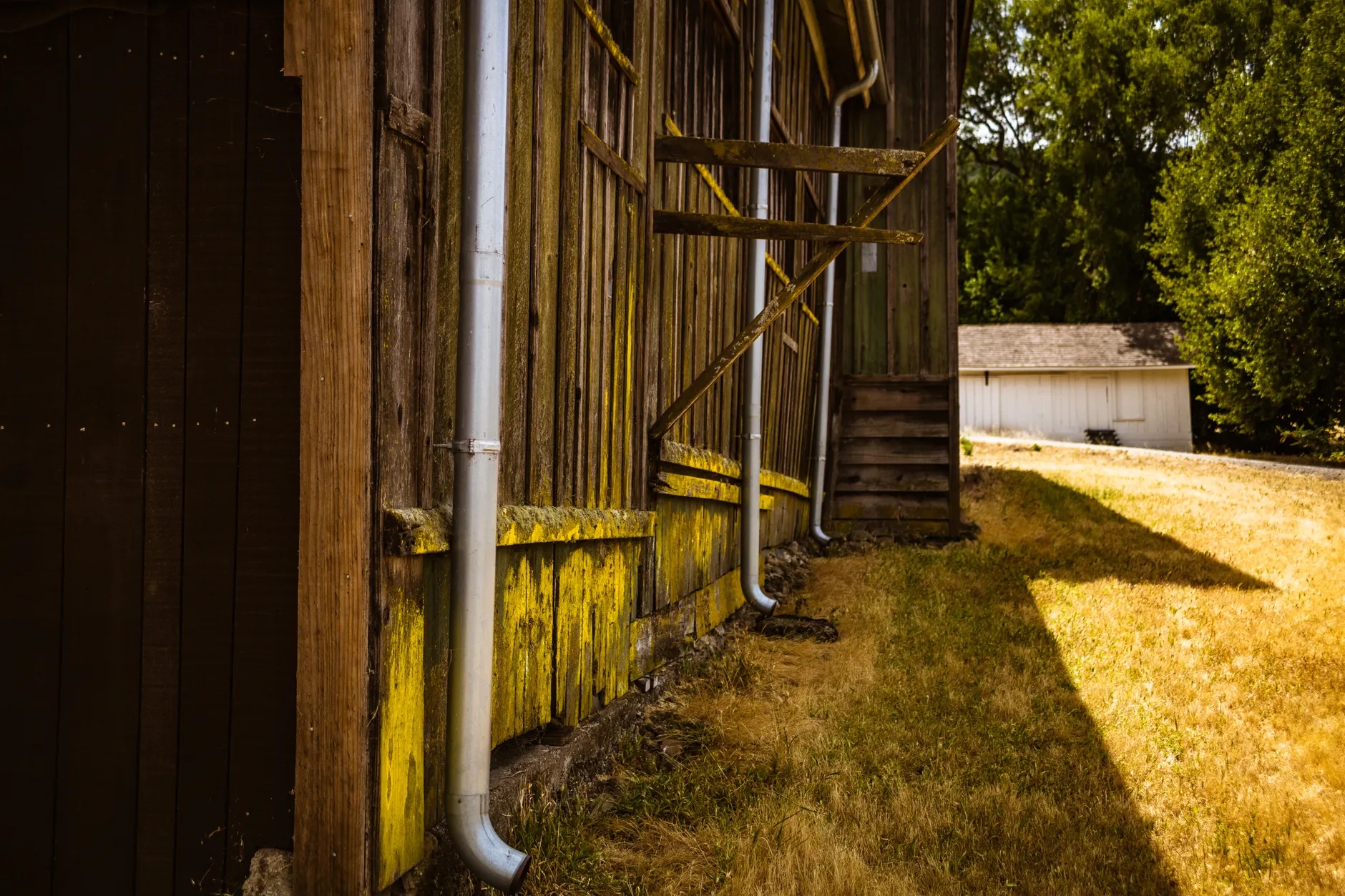
Most suburban Derby homes run uPVC guttering, which is light, low-maintenance and straightforward to replace, but after a couple of decades in the weather the brackets sag, the joints split and the plastic goes brittle and cracks. Where a run is fundamentally sound, we clear it, realign the falls and renew the failed joints and brackets so water reaches the downpipe again. Where the plastic has degraded across the whole run, a full replacement in modern uPVC, set to the correct fall, is the lasting answer rather than chasing one split joint after another.
Cast-Iron Repair, Repaint and Renewal
The period terraces around Normanton and the conservation streets often keep their original cast-iron rainwater goods, which are heavy and long-lived and, in a conservation setting, frequently worth repairing and repainting rather than swapping for plastic. We re-seat and re-seal sound cast-iron runs, renew failed brackets and repaint to protect the metal, and where a length has cracked or corroded beyond saving, replace it with a suitable match. Keeping cast iron where the street calls for it, rather than defaulting to uPVC, is part of matching the work to the property.
Fascias, Soffits and Downpipes
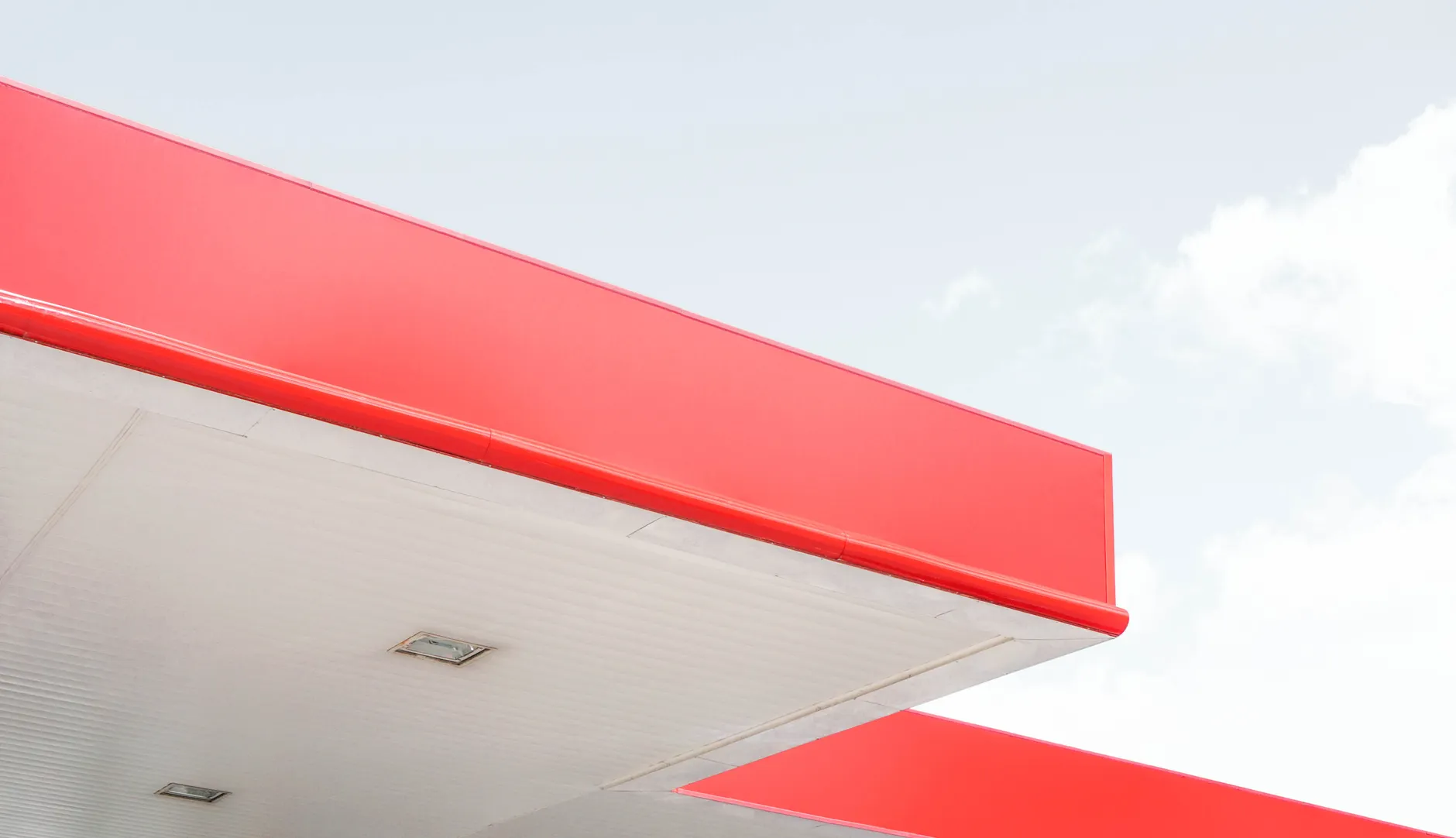
The fascia carries the guttering and the soffit closes off the underside of the eaves, and both rot where a leaking gutter has spilled behind them for years. We renew failed fascia and soffit boards in low-maintenance uPVC, keeping the eaves ventilation clear so the roof space still breathes and does not build up condensation. Downpipes and the rest of the rainwater goods are checked and cleared or renewed at the same time, because a perfect gutter still floods if the downpipe below it is blocked or has come away from the wall.
The Benefits
Why the Roofline Is Worth Doing Properly
In a city that rains most months, the eaves drainage is working almost constantly, so a roofline that sheds water cleanly protects the walls, the timber and the roof edge behind it.
The Cause, Not Just the Overflow
A gutter overflowing in the rain can mean a blockage, a dropped fall, a split joint, or a downpipe that is choked below it, and each needs a different fix. We find out which at survey rather than simply re-hanging the visible length, because a run set back to the wrong fall or feeding a blocked downpipe floods again at the next downpour. Fixing the actual cause is what stops the same wet wall reappearing every wet week.
The Right Material for the Property
uPVC is cheaper and lower-maintenance and suits the great majority of suburban Derby homes, while cast iron is heavier, longer-lived and often the right answer on a period terrace or a conservation street where the look and the setting matter. We set out honestly which suits your property rather than defaulting to whatever is quickest to fit. Matching the material to the house is part of doing the roofline properly rather than just cheaply.
The Roof Edge Closed and Breathing
Renewing rotten fascias and soffits closes the edge of the roof against weather and nesting birds and gives the guttering a sound board to hang from, but the eaves ventilation has to be kept clear so the roof space still breathes. Blocking it off entirely traps moist air and drives loft condensation, so we renew the boards and maintain the airflow together. A properly closed, still-ventilated eaves is what protects the roof timbers behind it.
Why Us
Why Derby Trusts Its Roofline to Us
Keeping the city's gutters, fascias and soffits shedding water, from Normanton's cast-iron runs to the uPVC of the suburbs.
We Treat the Roofline as Drainage
In a city taking rain most months of the year, the guttering is a working drainage system, not trim, so we survey the whole run — falls, joints, brackets and downpipes — rather than patching the one length that happens to be dripping. Getting the water off the roof and away from the wall cleanly is what protects the fascia timber and the brickwork behind it, and it is the point of the whole roofline.
We Keep Cast Iron Where It Belongs
On the period terraces around Normanton and in the conservation streets, original cast-iron rainwater goods are often worth repairing and repainting rather than stripping out for plastic, both for the look and because a conservation setting may expect it. We repair and match cast iron where the property calls for it and fit uPVC where it is the sensible choice, rather than defaulting every house to the same material.
Coordinated Across the Whole Area
From the cast-iron eaves of the Normanton terraces to the uPVC roofline of the suburban semis at Littleover, Mickleover and Allestree, the roofers we coordinate cover guttering, fascias and soffits across the full service area — and roofline faults often follow from the roof above, so see roof repairs, chimney and leadwork and our full range of services for everything else.
Roofline faults usually follow from the roof above — an overflow near a stack ties into chimney and leadwork, and a sagging run often points to wider roof repairs or a roof due for re-roofing. For a tired flat section see flat roof repair and replacement, and our full services for everything else. The same cover reaches Littleover, Mickleover and Allestree.
Frequently Asked Questions
How often should guttering, fascias and soffits be replaced?
There is no fixed interval, because it depends on the material, the exposure and how well the run has been maintained, but as general trade guidance uPVC guttering often needs attention after a couple of decades once brackets sag and joints split. Fascias and soffits last longer if kept dry, but rot quickly where a leaking gutter has spilled behind them. Rather than replace on a timetable, we survey the roofline and advise where a clear-and-realign will do and where the material has genuinely reached the end.
My gutter overflows every time it rains heavily — what's wrong?
Overflowing guttering usually means one of a few things: a blockage of leaves and moss, a fall that has dropped so water pools instead of running to the outlet, a split joint leaking before the water gets there, or a downpipe choked below the gutter. Each needs a different fix, which is why we find the actual cause at survey rather than simply re-hanging the visible length. On Derby's frequent rain a run set to the wrong fall or feeding a blocked downpipe floods again at the next downpour.
Should I keep my cast-iron gutters or switch to uPVC?
It depends on the property and the setting. Cast iron is heavy and long-lived and, on a period terrace or in one of Derby's conservation streets, is often worth repairing and repainting rather than swapping for plastic, both for the look and because a conservation area may expect it. uPVC is cheaper and lower-maintenance and suits most suburban homes. We set out honestly which fits your house rather than defaulting to whichever is quickest, and where cast iron has corroded beyond saving we match it with a suitable replacement.
Do rotten fascias mean there's a problem with the roof?
Usually it means a gutter has been leaking or overflowing behind the fascia for a long time, letting water soak into the timber, rather than a fault in the roof covering itself. Once the fascia rots it lets the guttering drop and the roof edge open to weather and birds, so it tends to get worse quickly. We check the guttering above any rotten board, because replacing the timber without fixing the leak that rotted it simply starts the same cycle again.
Can you just clear my gutters rather than replace them?
Yes — where the guttering is fundamentally sound and only blocked with leaves, moss and debris, clearing it and checking the falls and downpipes is often all that is needed, and it is far cheaper than replacement. This is especially common in the leafier suburbs like Allestree, where heavy leaf fall from mature trees and parkland blocks runs and valleys through autumn. We only recommend replacement where the material has genuinely failed, and we will tell you plainly at survey if a clear-and-realign will sort it.
Will new soffits stop my loft getting condensation?
New soffits help only if the eaves ventilation is kept clear, because the roof space needs air moving through it to carry away moisture and avoid condensation. Blocking the eaves off entirely with solid boarding traps moist air and can actually make loft condensation worse, so we renew fascias and soffits while maintaining or adding the correct ventilation. Getting the roofline watertight and still breathing is what protects the roof timbers, rather than sealing the eaves up tight.
How much does replacing guttering cost in Derby?
As a general UK guide rather than a fixed figure, replacing the guttering on a typical semi-detached run commonly falls in the mid-hundreds of pounds, with uPVC priced by the metre and cast iron costing more to repair or match. A full fascia, soffit and guttering renewal across a house frontage runs higher again. The figure depends on the length, the height and access, and whether the timber behind needs replacing, so we give you a fixed written quote after the free survey rather than a guess over the phone.
Why does Derby's weather matter for guttering more than you'd think?
Derby takes around 779 mm of rain a year spread fairly evenly across the months rather than in a few big storms, so the guttering is moving water almost constantly rather than occasionally. That steady load means a blocked or misaligned run does not get a chance to dry out and instead keeps a wall face or a fascia board wet, which is how the quiet damage builds. Keeping the whole run clear and correctly falling matters more in a place that rains most weeks than in a drier climate.
How long does a roofline replacement take?
Replacing the guttering on a single dwelling is often a half-day to a day's work, while a full fascia, soffit and guttering renewal across a house frontage typically runs one to three days depending on the size, the height and whether any timber behind needs replacing. Scaffold or access towers may be needed for a two-storey frontage and are set out separately in the quote. Weather affects it less than tiling, but heavy rain still slows the work of sealing and hanging a run properly.
Do you replace downpipes as well as the gutters?
Yes — the downpipes are part of the same rainwater system and there is little point renewing a gutter that feeds a blocked, cracked or detached downpipe, so we check and clear or renew them together. A downpipe that has come away from the wall or is choked below the gutter causes exactly the overflow that soaks a wall face, regardless of how good the gutter above it is. We look at the whole run from the eaves to the ground so the water actually gets away from the building.
Get the Water Off Your Roof Properly
Free survey and a fixed written quote. Call 07700 149979 today.
07700 149979