Roofing · Derby, Derbyshire
Emergency & Storm Damage Roofing in Derby
Derby Roofer Quality Repair & Replace answers the phone as an emergency roofer around the clock, and because the line is staffed through the night we can usually tell within a minute of the first call whether a lifted ridge in Chaddesden or a stripped verge on a DE23 terrace needs a crew tonight or can hold until first light. 24/7 emergency make-safe, storm and wind damage repair, temporary weatherproofing and tarping, and insurance claim support are the four things this page covers, and every one of them starts the moment you ring 07700 149979 — Open 24 Hours, every day of the year.
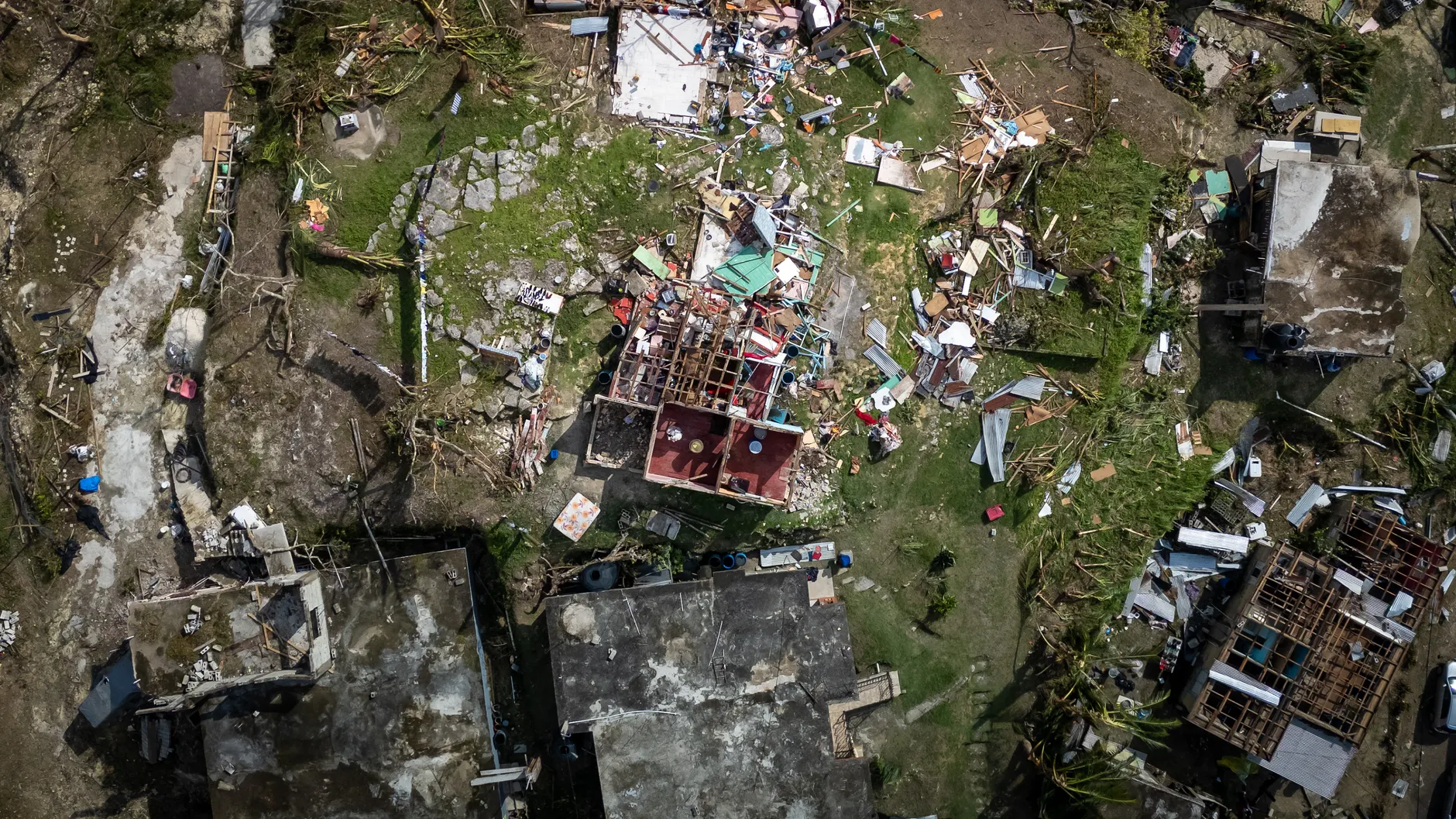
Derby isn't a coastal town, so people assume it doesn't get storm damage. It does — just not the way you'd picture it. The city sits inland with roughly 779 mm of rain a year spread across every month, which means a roof rarely fails because of one dramatic gale; it fails because prolonged, driving rain keeps finding a covering that was already weakened by age, a loose fixing or a cracked mortar bed, and a spell of high wind is simply the thing that finishes the job. That's why a run of missing tiles or an active loft leak after a windy night is treated here as a same-day, round-the-clock call, not a booking for next Tuesday.
There's a second local factor that raises the stakes on getting a roof weathertight fast: the River Derwent's long flood history through Derby's low-lying inner districts. Water finding its way into a home from above compounds the risk for streets that already know what it's like to see water rise from below, so a make-safe here isn't just about the roof — it's about keeping the whole building dry while a permanent repair is scoped. The response is make-safe first, always: sheet the opening, secure loose material, stop the ingress, and only then talk about the bigger job.
If the damage is significant enough to involve your insurer, we photograph it during the survey and work to whatever scope the loss adjuster sets, giving you a clear, dated record rather than a vague description over the phone. Ring 07700 149979 and someone will talk you through what's actually happening before any quote is mentioned.
What We Do
What Emergency & Storm Damage Roofing Covers
A storm call has four possible shapes — an open roof that needs sheeting tonight, wind damage that needs putting right, a temporary cover that has to hold through more weather, or a claim that needs proper documentation.
24/7 Emergency Make-Safe
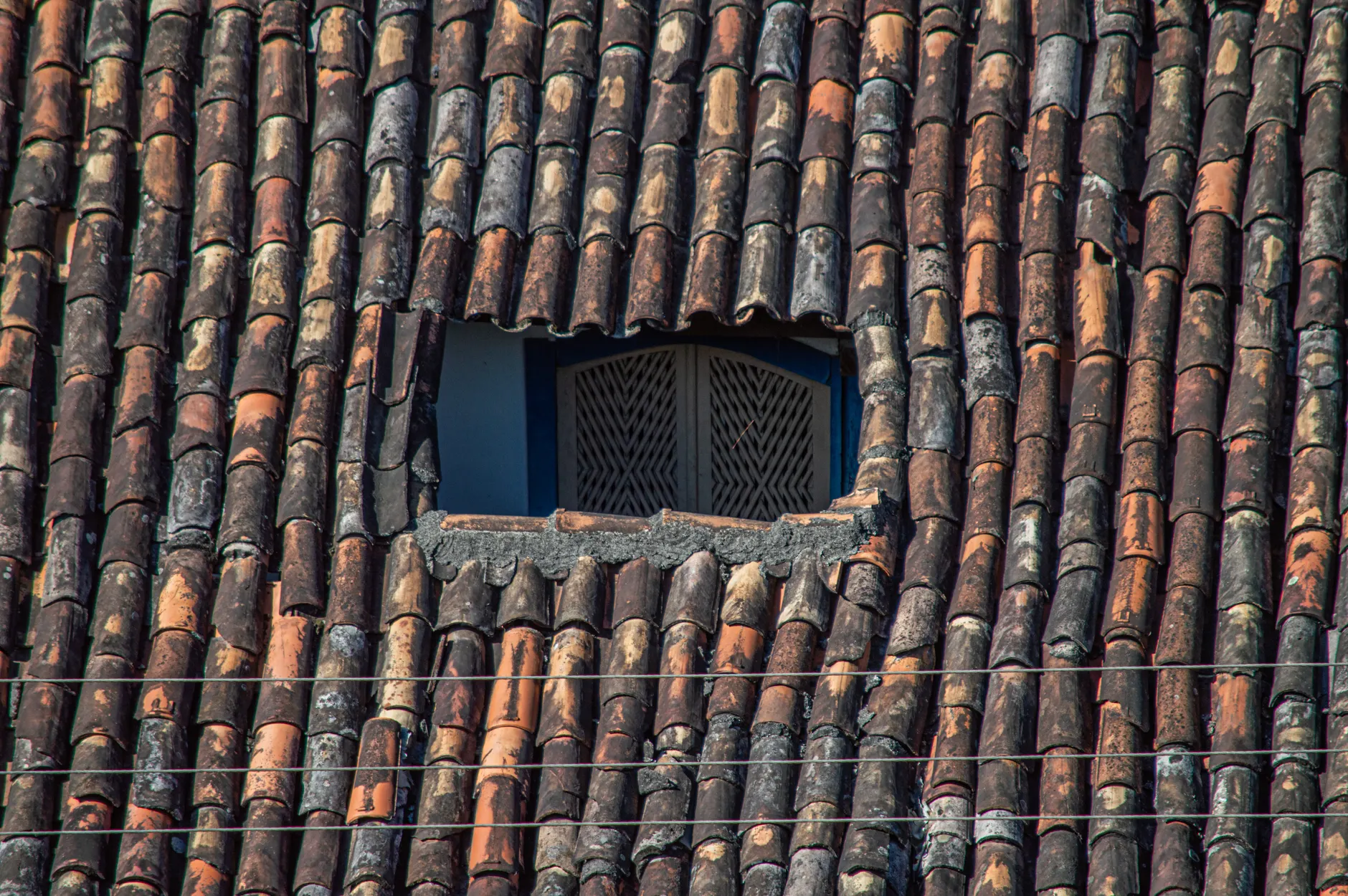
A make-safe call usually takes 1-3 hours on site and its only job is to stop water getting further into the building — sheeting an open section, securing a flapping ridge cap, or clearing loose slate before it comes down on its own. It's not the permanent fix, and it isn't meant to be; it's what buys the time to plan the proper repair without a ceiling filling with water overnight. We take these calls at any hour, because a loft that's taking on rain at 2am doesn't wait for a weekday appointment.
Storm & Wind Damage Repair
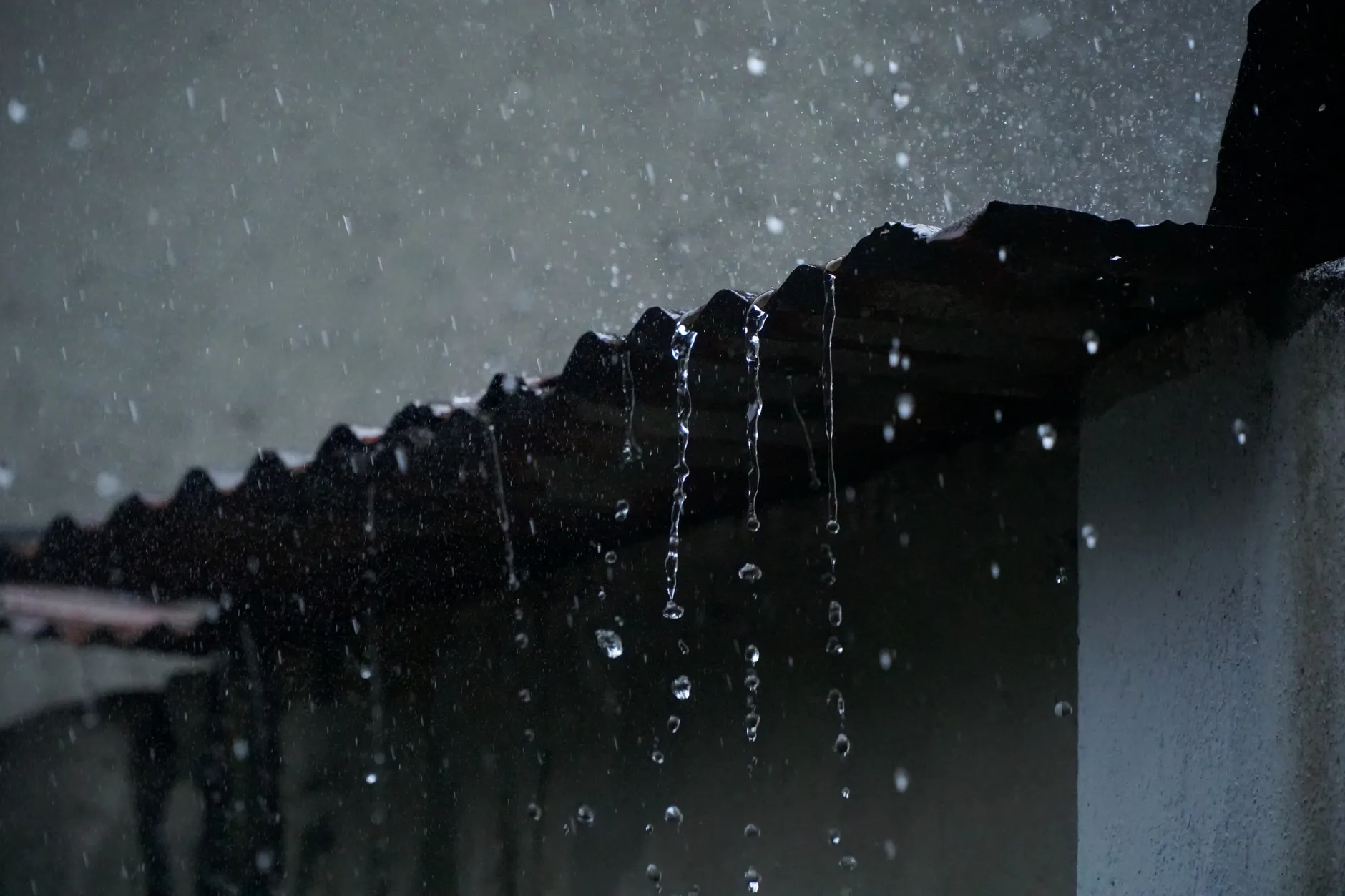
Once the roof is safe, the permanent repair goes back on properly rather than propped back into place — displaced tiles and slates are refixed mechanically to resist the next lift, in line with BS 5534, and any lead disturbed at a valley or abutment is re-dressed to BS EN 12588. Typical storm damage repair on a Derby roof runs £250-£1,500 depending on how much covering was displaced and whether the underlay or battens beneath it were also exposed to the weather. You get a fixed written quote for that permanent work once the immediate danger is dealt with.
Temporary Weatherproofing & Tarping
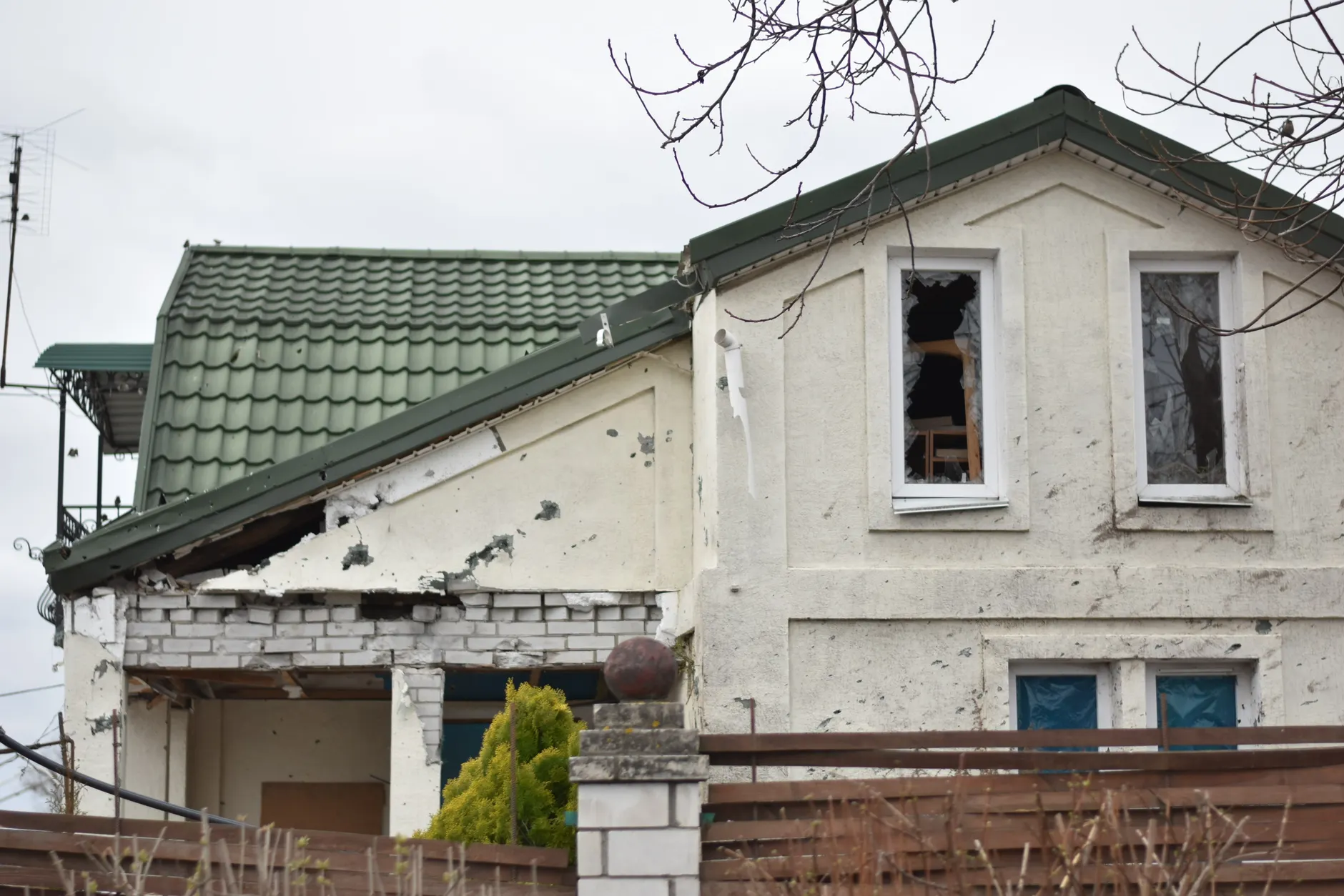
Where the permanent repair can't happen immediately — access is booked, materials are on order, or more weather is forecast — a heavy-duty sheet is battened and dressed over the exposed section so the building stays dry in the meantime. It's checked and re-secured if a second front of driving rain comes through before the real repair date, which on Derby's wet pattern is common rather than unusual. The tarp buys time; it isn't left as the answer, and every temporary cover is scheduled against a firm date for the follow-up work.
The Benefits
Why Speed Matters More Than It Looks Like It Should
The gap between a roof letting in rain and a roof being made safe is where the real cost of storm damage gets decided, long before anyone talks about the roof itself.
Stops a Roof Problem Becoming a House Problem
Water that reaches ceilings, insulation and wiring turns a roofing job into a plastering, rewiring and redecorating job within days, not weeks. A fast make-safe — usually inside a few hours of the call — is what keeps a lifted tile a roof-sized problem instead of letting it spread through the loft and down into the rooms below.
A Documented Record for Your Insurance Claim
We photograph the damage during the survey and set out plainly what the weather actually did, working to the scope your loss adjuster agrees rather than guessing at it. Nothing is exaggerated or invented to inflate a claim, because a record only helps you if it's accurate — an honest, dated set of photographs alongside a clear scope of repair is usually exactly what an insurer asks for.
One Number, No Surprise on Invoice Day
The make-safe is quoted and agreed before it happens, and the permanent repair that follows gets its own separate, fixed written quote once the roof has been properly assessed. You're never left guessing what an emergency call-out is going to cost once the dust — or the rain — has settled.
Why Us
Why Derby Calls Us When the Weather Turns
Storm calls reward a line that is staffed through the night and knows the streets, not the first search result on a windy night.
We Know Which Roofs Go First
A slate terrace off Normanton Road and a 1970s tiled semi in Mickleover fail differently in the same weather, so the call starts with the address and the roof type, and the roofer sent arrives expecting the right problem rather than diagnosing from scratch on a ladder in the rain.
Genuinely Round the Clock
Open 24 Hours isn't a line on the website here — it's the same number, day or night, that picks up for storm calls. There's no answering service passing your details on for a callback in the morning; you speak to someone who can tell you what happens next.
Coordinated With the Rest of the Roof
A storm rarely damages only what it touches directly — a lifted ridge can expose a chimney's flashing, and a torn verge often needs the guttering beneath it checked too. The same team handling your emergency can move straight into chimney and leadwork or guttering, fascias and soffits without you having to explain the job twice, and see our full range of roofing services for everything else we cover.
Storm damage rarely stops at the roof covering — a lifted ridge often disturbs the lead around a stack, which is why chimney and leadwork so often follows an emergency call, and displaced tiles overload the guttering, fascias and soffits beneath them. Where the covering itself is beyond a fair repair, see roof replacement and re-roofing, and our full services for everything else. The same round-the-clock cover reaches Littleover, Mickleover and Allestree.
Frequently Asked Questions
How fast can an emergency roofer reach me in Derby after storm damage?
A genuine emergency — an active leak, an open section of roof, or displaced tiles in high wind — is treated as a same-day, round-the-clock call, and the make-safe itself usually takes 1-3 hours once someone is on site. We're Open 24 Hours specifically for this, so the person answering 07700 149979 at 2am is making the same decision they'd make at 2pm. Non-urgent storm damage, such as a single displaced tile with no ingress, is still booked promptly but doesn't need the same night's call-out.
What does a make-safe actually involve?
A make-safe is about stopping further water ingress, not completing the repair — it typically means sheeting an exposed section with a secured heavy-duty cover, removing or securing loose tiles, slates or ridge cap that could come down or blow further, and checking that the immediate danger to people below has passed. It's deliberately fast, usually 1-3 hours, because the point is to buy time safely, not to finish the job at 3am in the dark. The permanent repair is then scoped in daylight and quoted separately once the full extent of the damage is visible.
How much does storm damage repair cost in Derby?
A typical storm damage repair call-out in Derby runs £250-£1,500, with the figure driven mainly by how much covering was displaced, whether the underlay and battens beneath were also exposed, and how much access the roof needs. A single lifted ridge tile at the low end costs far less to put right than a section that's lost a full run of tiles and soaked the felt beneath it. You get a fixed written quote for the permanent repair once the make-safe is done and the roof can be properly assessed.
Will you help with my insurance claim after storm damage?
Yes — during the survey we photograph the damage and document what the weather actually caused, and we work to the scope your insurer's loss adjuster sets rather than a figure we invent ourselves. We never exaggerate or add to genuine storm damage to inflate a claim, because a dated, honest photographic record is what actually moves a claim forward. That documentation, alongside a clear written scope of the repair, is typically exactly what an insurer needs to process the claim.
Why does Derby get storm damage without coastal-style gales?
Derby is inland, so it isn't hit by the salt-laden, high-force winds that batter coastal towns, but it gets roughly 779 mm of rain a year spread across every month, and that persistent, driving rain is what does the real damage over time. A covering that's already weakened by an old fixing, a cracked mortar bed or worn flashing gets found out by sustained wet weather, and a spell of stronger wind is often just the final push that lifts what was already loose. That's why the same run of bad weather can open up several roofs across a street that all looked fine the week before.
Is my area at extra risk because of the River Derwent?
Derby's low-lying inner districts sit close to the River Derwent, which has a long flood history in the city, and that raises the stakes specifically on keeping water out from above during bad weather. A roof leak on its own is a repair job, but on a street that already has a known flood risk from the river, keeping the building envelope dry matters more, not less. That's part of why an active leak or open roof section here is treated as a same-day, round-the-clock priority rather than something to schedule for later in the week.
Will a tarp actually hold in more bad weather?
A properly fitted temporary cover is a heavy-duty sheet battened and dressed over the exposed section, not a loose sheet weighted down with bricks, and it's built to hold through a further spell of Derby's driving rain while the permanent repair is arranged. We check and re-secure it if more weather is forecast before the scheduled follow-up, because a tarp that's done its job for two weeks and then fails in a fresh downpour defeats the point of fitting one properly. It's always a bridge to the real repair, never presented as the finished answer.
Do you charge more for a call-out at night or on a weekend?
The make-safe itself is quoted and agreed with you before the crew starts, whatever hour the call comes in, so there's no surprise loaded onto the invoice for calling at 2am rather than 2pm. Open 24 Hours means the same team answers regardless of the time, and the priority in a genuine emergency is stopping the water, not the clock. Any follow-on permanent repair then gets its own separate fixed written quote once the full damage is visible.
What should I do myself before you arrive after storm damage?
If it's safe to do so, move anything valuable away from the area beneath the leak and place a container to catch dripping water, since that alone can prevent a soaked ceiling from coming down before we arrive. Do not go up a ladder onto a wet, storm-damaged roof yourself — falls from height are one of the most common causes of serious injury in roofing work, and a covering that's already been disturbed by wind is not stable to walk on. Take a few photos from ground level if you can do so safely; they're useful alongside our own survey photos for any insurance claim.
How is emergency storm repair different from a normal roof repair booking?
A normal roof repair, like a single slipped slate found on a dry day, is booked at the next convenient slot and worked through in one visit with no urgency beyond getting it fixed properly. Emergency and storm damage roofing is split into two stages instead — a same-day make-safe, usually 1-3 hours, to stop water getting further in, followed by a separately quoted permanent repair once the roof can be assessed properly in daylight. See roof repairs for the non-urgent version of this work and how it's priced and booked when there's no active ingress to worry about.
Storm Damage Doesn't Wait for Office Hours
Call 07700 149979 now — Open 24 Hours, every day.
07700 149979