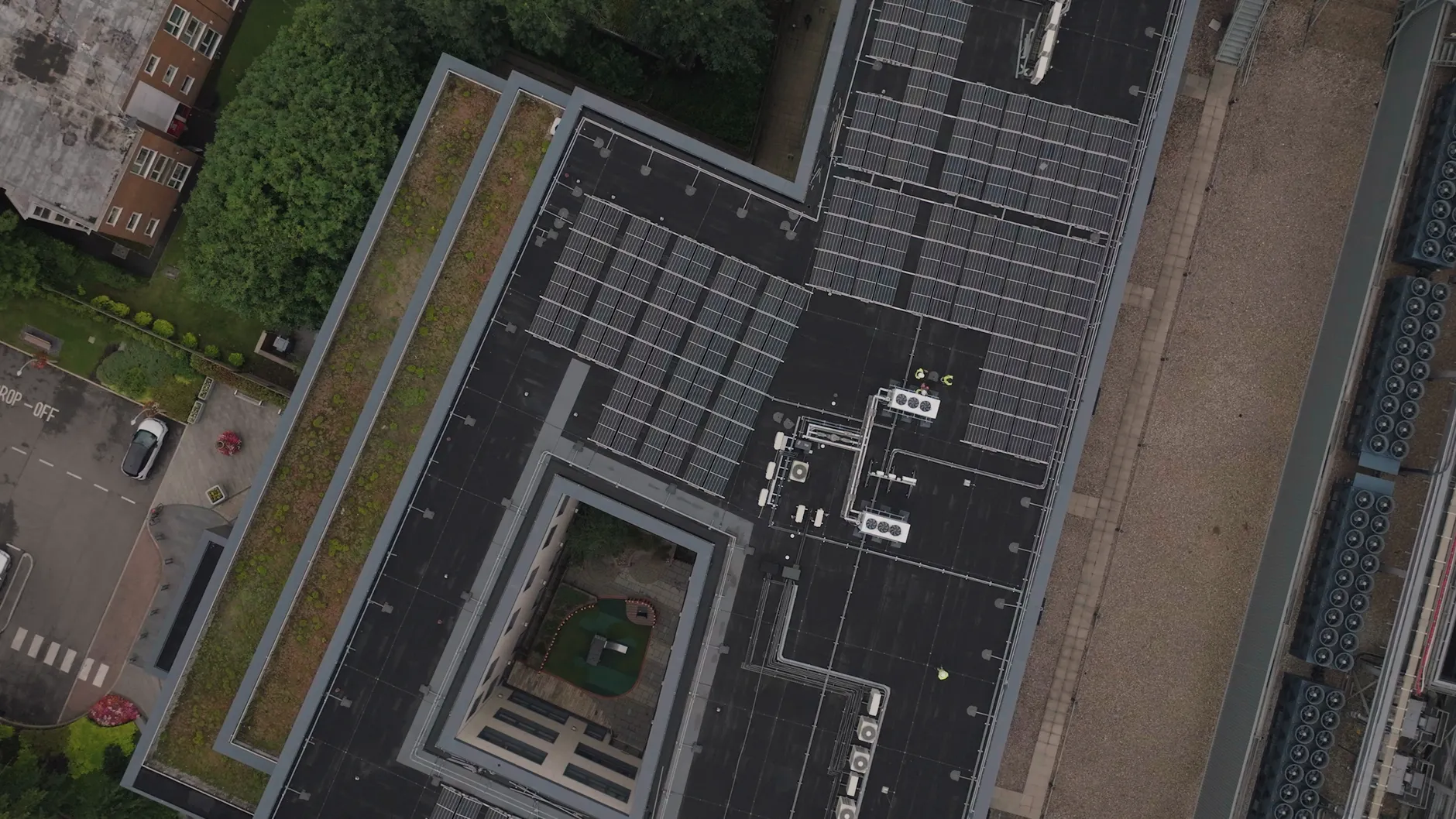
Roofing · Derby, Derbyshire
Flat Roof Repair & Replacement in Derby
The flat roof that leaks in Derby is very rarely on the house itself — it is on the thing added to the back of it. Across the tiled suburbs at Littleover, Mickleover and Allestree, decades of rear kitchen and dining extensions, single-storey side returns, garages, porches and box dormers have gone up behind pitched semis and detached houses, and every one of them carries a flat covering that ages far faster than the tiles above it. A felt roof laid twenty years ago on a 1970s extension, or a garage roof that has never been touched, is the classic Derby flat-roof call: blistering, splitting at the laps, or holding a puddle that never quite drains away.
The flat roof work we coordinate across the city is mostly stripping tired felt and re-covering the extensions and outbuildings behind Derby's suburban stock. Every job begins with a free roof survey and a fixed written quote that says plainly whether a patch will genuinely buy you time or whether the covering has reached the point of replacement. New coverings are laid to the standards that govern flat roofing — BS 6229 for the roof build-up and falls, and BS 8217 and BS 8747 for reinforced bitumen (felt) systems — so a new flat roof is specified to a defined standard rather than simply rolled out and hoped over.
Which covering suits a roof depends on the roof, not on a single house style. EPDM rubber is a tough single-sheet membrane that suits larger extension and garage roofs with few upstands, and on most domestic decks it is laid cold, without a torch. GRP fibreglass is a seamless resin-and-matting system that cures to a hard shell, well suited to balconies, dormers and roofs that will be walked on. Reinforced bitumen felt, in modern torch-on or cold-applied grades, remains a sound and economical choice for straightforward garage and outbuilding roofs. At survey we set out which fits your deck, your budget and how the roof is used, rather than fitting the one system we happen to prefer.
Underneath the covering sits the question that decides whether a flat roof lasts: how it deals with moisture. A warm deck, with the insulation above the structural deck and a vapour control layer beneath it, is the current recommended build-up for avoiding interstitial condensation, while an older cold deck, with insulation between the joists, has to be designed and ventilated correctly to BS 6229 and BS 5250 to stay dry. A flat roof that keeps 'leaking' after repair is often not leaking at all — it is condensing from the inside. Ring 07700 149979 and we will look at the whole build-up, not just the surface.
What We Do
What Flat-Roof Work in Derby Covers
From a targeted repair on a sound felt roof to a full strip-and-re-cover in EPDM, GRP or felt — the survey settles which the roof actually needs before any figure is fixed.
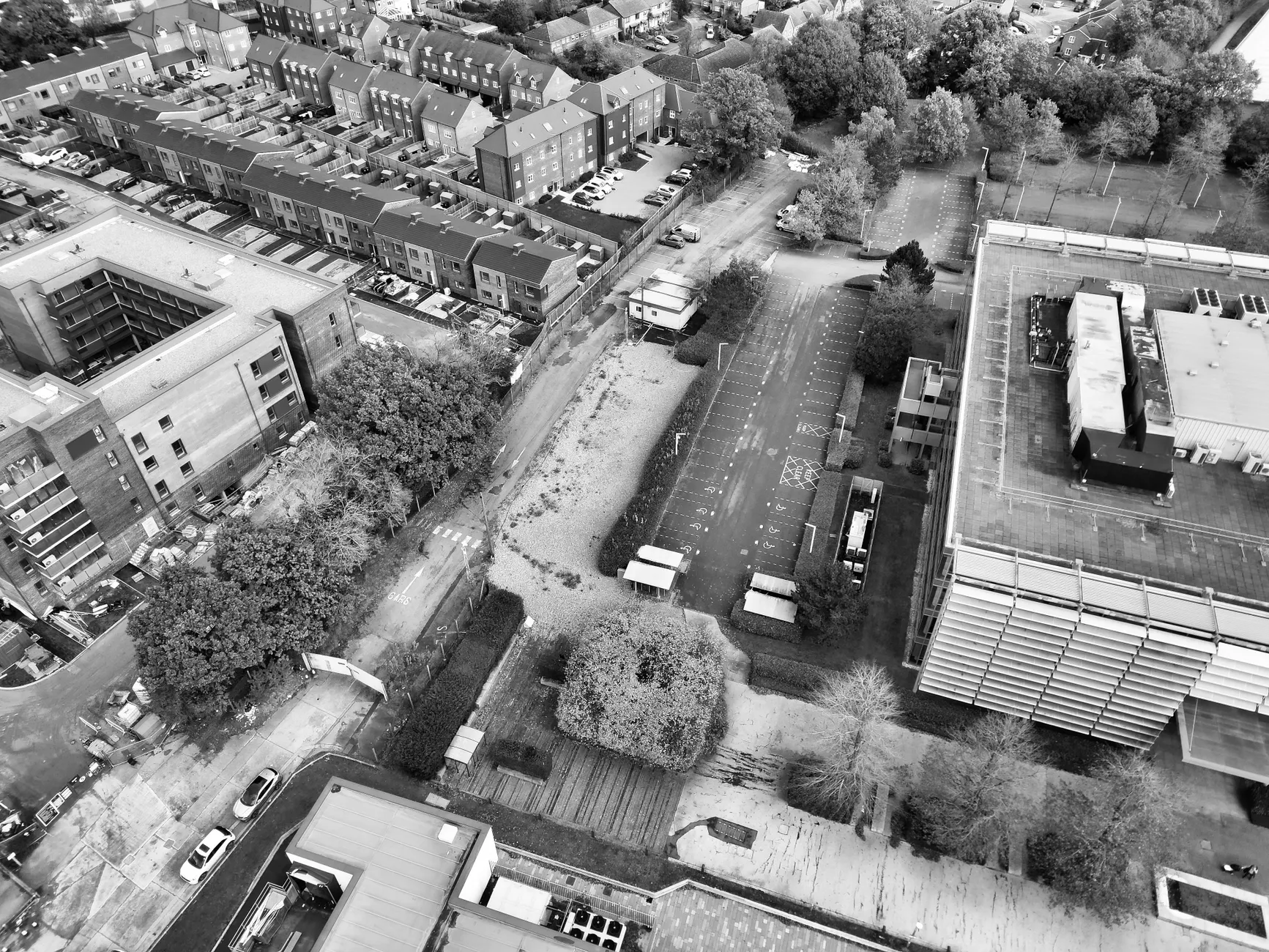
Repairs to Blistering, Splitting and Ponding Felt
An older reinforced-bitumen roof fails in familiar ways: blisters where trapped moisture has lifted the surface, splits along the laps where the felt has hardened and shrunk, and ponding where the falls were never quite right and water sits until it evaporates. Where the deck below is still sound, a well-scoped repair to the failed area can genuinely extend a felt roof's life. Where the membrane has reached the end across the whole roof, we say so at survey rather than sell you a patch that fails again at the next seam by winter.
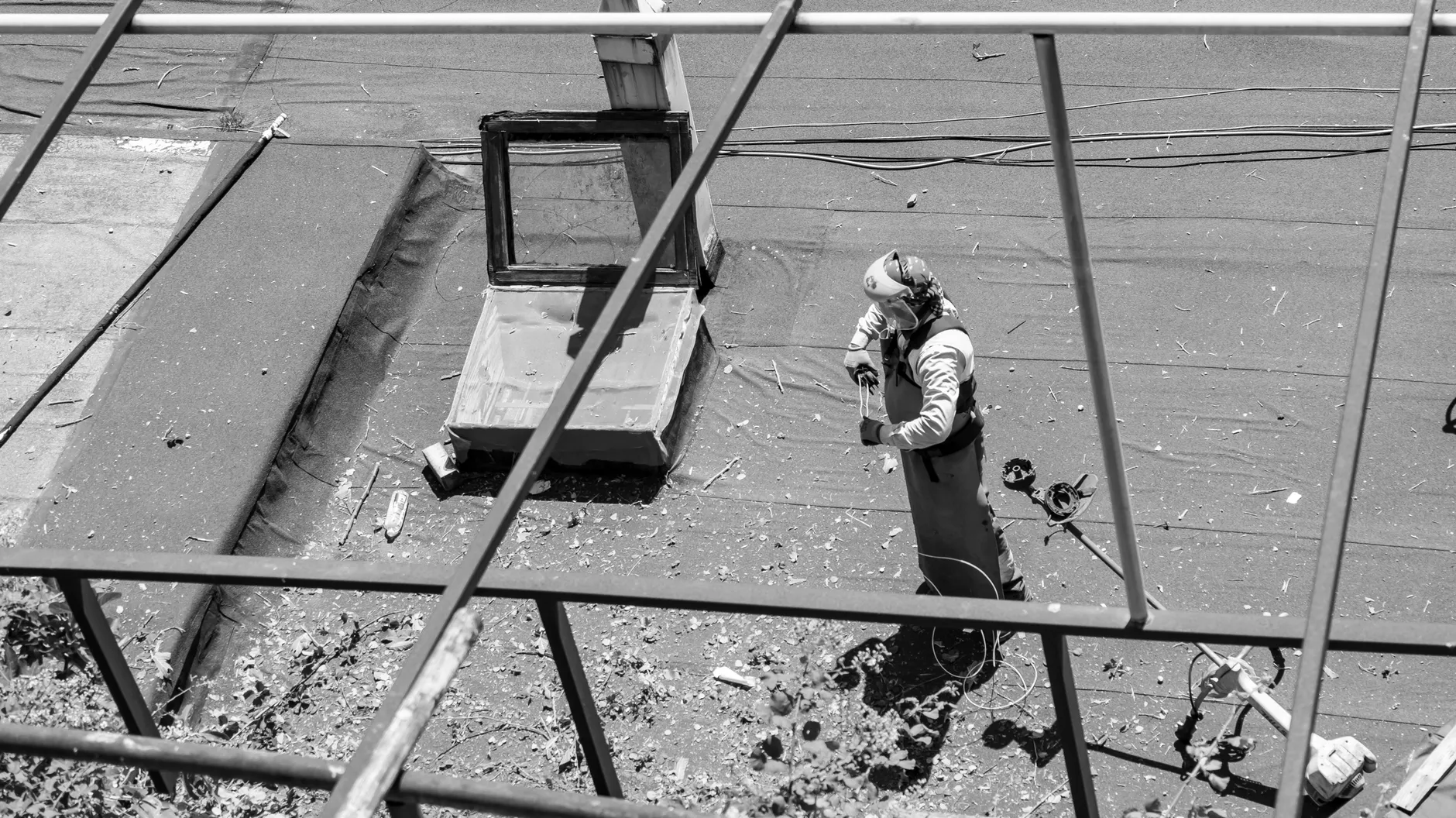
EPDM Rubber and GRP Fibreglass Re-Covers
For a full replacement the two long-life choices are EPDM rubber and GRP fibreglass. EPDM is a single large sheet of tough rubber membrane, laid cold on most domestic decks and dressed into a trim at the edges, which suits bigger, simpler extension and garage roofs. GRP is a seamless glass-fibre-and-resin laminate that cures to a hard, walkable shell with colour-matched trims, well suited to dormers, balconies and smaller roofs with several upstands. Both give a joint-free finish, and we set out which fits your roof at survey.
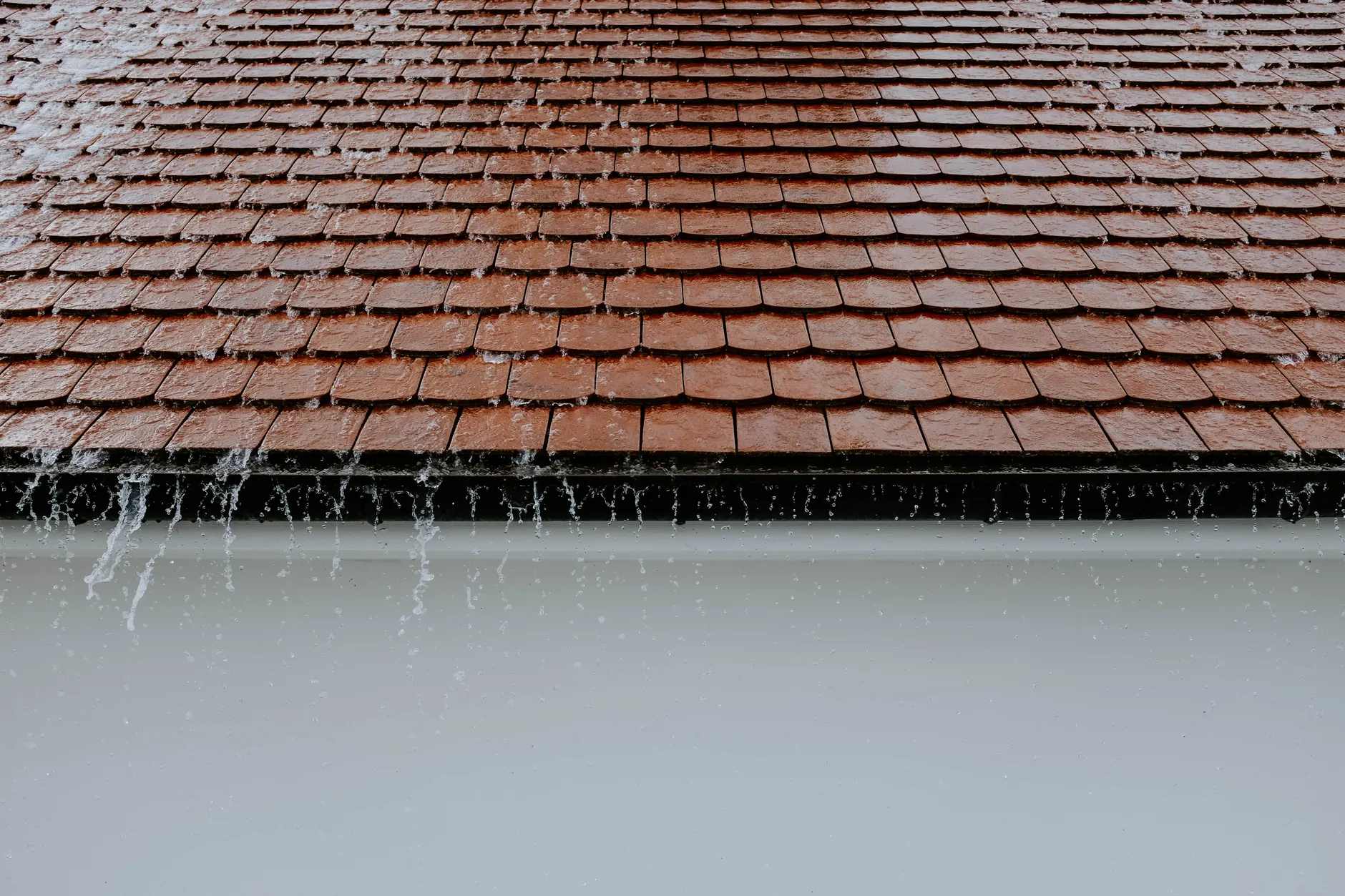
New Felt Roofs and Deck Renewal
Modern reinforced-bitumen felt, in torch-on or cold-applied grades, is still a sound and economical covering for a straightforward garage or outbuilding roof, and a multi-layer system to BS 8217 and BS 8747 lasts far longer than the single worn layer it replaces. Where the timber deck beneath has softened from a long-standing leak, the boards are replaced and the falls corrected before any new covering goes on, because laying a new membrane over a rotten deck simply buries the problem. Every re-cover is finished with the correct upstands, trims and drainage so water leaves the roof properly.
The Benefits
Why the Deck Decides the Roof
A flat roof is a system, not just its top surface, so the covering, the falls, the insulation and the ventilation all have to work together to keep an extension dry.
The Right System for Your Roof
There is no single best flat-roof covering, only the right one for a given deck, budget and use. A large garage roof, a walked-on balcony and a small porch each point to a different answer between EPDM, GRP and felt, and we set out the trade-offs honestly at survey. Fitting the system that suits the roof, rather than the one we happen to stock, is what makes a covering last its full life.
Condensation Ruled Out, Not Just Water
A flat roof that keeps marking a ceiling after a repair is often condensing from within rather than leaking from above, because a cold-deck build-up with poor ventilation traps warm, moist air against the underside of the deck. We look at the whole build-up — covering, insulation, vapour control and ventilation — to BS 6229 and BS 5250, so the fix addresses the real cause rather than chasing a leak that was never there.
A Straight Answer on Repair or Replace
Not every tired flat roof needs replacing, and not every patch is worth doing. The free survey says plainly whether a repair will genuinely buy useful years or whether the covering has failed across the roof, and the written quote reflects that honestly. You get the information to weigh a smaller spend now against a longer-lasting re-cover, and the decision stays with you.
Why Us
Why Derby Trusts Us With Its Flat Roofs
Re-covering the extensions, garages and dormers behind Derby's suburban semis, from a Littleover side return to an Allestree box dormer.
We Know the Suburban Extension Roof
The volume of flat-roof work in Derby is on the rear extensions and side returns behind the tiled semis at Littleover, Mickleover and Allestree, where a single-storey covering ties into the pitched roof and the house wall. Getting the upstand into that abutment right, and the falls running to the correct outlet, is where these roofs are won or lost, and it is exactly the detail an outside firm tends to rush.
We Fit the Membrane to the Deck
We lay EPDM, GRP and felt, so the recommendation at survey is driven by your roof rather than by the one product we install. A quiet cold-laid EPDM sheet suits a big simple garage; a hard-wearing GRP laminate suits a dormer or balcony that gets walked on; a modern felt system suits a plain outbuilding on a budget. Matching the covering to the job is the whole point of surveying first.
Coordinated Across the Whole Area
From the inner terraces out to Littleover, Mickleover and Allestree, the roofers we coordinate repair and replace flat roofs across the full service area — and a flat section is often only part of the picture, so see roof repairs, guttering, fascias and soffits and our full range of services for everything else.
A flat section rarely fails in isolation — where it meets a chimney or wall it belongs with chimney and leadwork, and its edge details tie into guttering, fascias and soffits. For a tired pitched covering see roof repairs or re-roofing, and our full services for everything else. The same cover reaches Littleover, Mickleover and Allestree.
Frequently Asked Questions
EPDM, GRP or felt — which flat roof is best for my Derby extension?
There is no single best system, only the right one for your particular roof, budget and how it is used. EPDM rubber suits larger, simpler extension and garage roofs and is laid cold on most domestic decks; GRP fibreglass gives a hard, walkable shell that suits dormers, balconies and roofs with several upstands; modern reinforced-bitumen felt remains a sound, economical choice for a plain garage or outbuilding. We set out the trade-offs at the free survey so the choice fits your roof rather than our preference.
How long should a new flat roof last?
As general trade guidance rather than a guaranteed figure, a well-laid EPDM or GRP covering commonly gives twenty to thirty years, while a modern multi-layer felt system typically runs shorter than that by grade. The real determinant is not just the membrane but the deck, the falls and the ventilation beneath it, which is why we look at the whole build-up rather than only the top surface. A covering laid over a sound, correctly-falling deck to BS 6229 lasts its full life; one rolled over a tired deck does not.
My flat roof holds a puddle after rain — is that a problem?
Standing water, known as ponding, points to falls that were never quite steep enough or a deck that has since sagged, and while a small amount of ponding is not always urgent, persistent pools shorten the life of any covering. On EPDM and GRP the membrane tolerates it better than old felt does, but the proper fix is to correct the falls so water runs to the outlet rather than sitting until it evaporates. We assess the falls at survey and set out whether a re-lay with corrected falls is worthwhile.
What is the difference between a warm deck and a cold deck flat roof?
A warm deck places the insulation above the structural deck with a vapour control layer beneath it, which keeps the deck warm and is the current recommended way to avoid interstitial condensation. A cold deck places insulation between the joists below the deck and must be ventilated correctly to BS 6229 and BS 5250 to stay dry. When we re-cover a flat roof we look at which build-up you have and whether it is performing, because getting this wrong is what makes a roof 'leak' when it is actually condensing.
My extension roof keeps leaking even after it was patched — why?
A flat roof that keeps marking the ceiling after repair is often not leaking from above at all but condensing from within, especially where a cold-deck build-up traps warm, moist air against the underside of a poorly-ventilated deck. Repeated surface patches never fix that because the water is coming from inside the room, not through the covering. We check the covering, insulation, vapour control and ventilation together so the real cause is addressed rather than the same wet patch chased season after season.
Can you repair a felt roof or does it need fully replacing?
It depends on how far the felt has gone and whether the deck below is still sound. Where blistering or a split is confined to one area and the deck is dry and solid, a well-scoped repair can genuinely extend the roof's life for a useful stretch. Where the felt has hardened, cracked and failed across the whole roof, patching one seam simply moves the next leak along, and a full re-cover is the honest answer. The survey tells you plainly which situation your roof is in.
Do you replace the timber deck as well as the covering?
Where a long-standing leak has softened or rotted the timber boards beneath the membrane, yes — the affected deck is replaced and the falls corrected before any new covering goes on. Laying a fresh EPDM, GRP or felt membrane over a rotten deck simply buries the problem and the roof fails again from below. We check the deck's condition during the survey and include any board replacement in the written quote so there are no surprises once the old covering is stripped.
Is EPDM really laid without a flame?
On most domestic extension and garage decks, yes — EPDM rubber is a single sheet laid cold with adhesives rather than a torch, which suits work close to fascias, timber and neighbouring walls. That cold application is one of the reasons it is a popular choice for the rear-extension roofs behind Derby's suburban semis. GRP is also a cold, resin-applied system, while some felt grades are cold-applied and others torch-applied; we set out the method for your roof at survey.
How long does a flat roof re-cover take?
A typical single-garage or extension flat roof is usually a one-to-two-day job for EPDM or felt, while GRP can run a little longer because the resin needs time to cure between coats and will not go down in the wet. A larger or more complex roof, or one that needs the deck replaced first, takes longer, and we give you a realistic timescale in the written quote. Weather matters more on flat roofs than on tiling, since neither resin nor adhesive behaves in heavy rain.
Will you correct the falls if my old flat roof drains badly?
Yes — where the survey shows water is not reaching the outlet because the falls are too shallow or the deck has sagged, a re-cover is the natural point to build in correct falls using tapered insulation or firrings so water runs off properly. Getting the falls right is as important as the covering itself, because even the best membrane struggles under permanent standing water. We set out any falls correction in the quote so you can see exactly what is being put right.

Sort the Extension Roof Before Winter
Free survey and a fixed written quote. Call 07700 149979 today.
07700 149979